
The Lost Generation of the Rainbow Nation
Cultural identity and capitalist Technology The World Bank, International Monetary Fund and the World Trade Organisation call us the lost generation, perhaps because we have […]
Cultural identity and capitalist Technology The World Bank, International Monetary Fund and the World Trade Organisation call us the lost generation, perhaps because we have […]
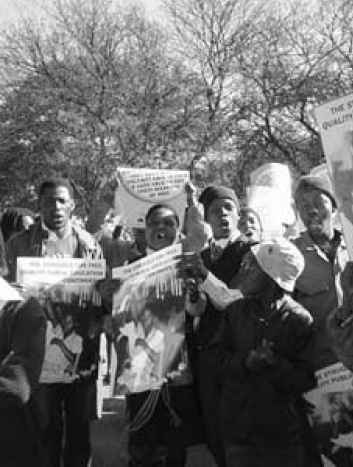
The re is a project of Saturday extra lessons that has been introduced in Lekoa/ Vaal by the department of education aimed at improving the […]
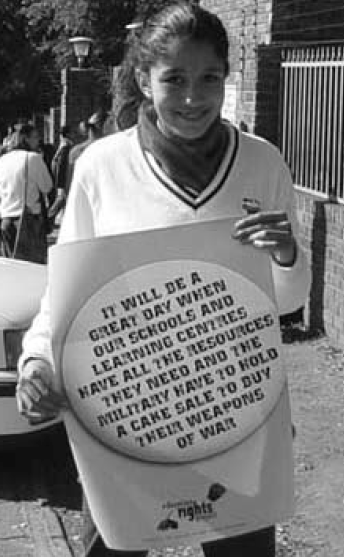
In most township schools teachers are using uniforms to discriminate against those who cannot afford to pay for school uniforms. In schools around Soweto learners […]
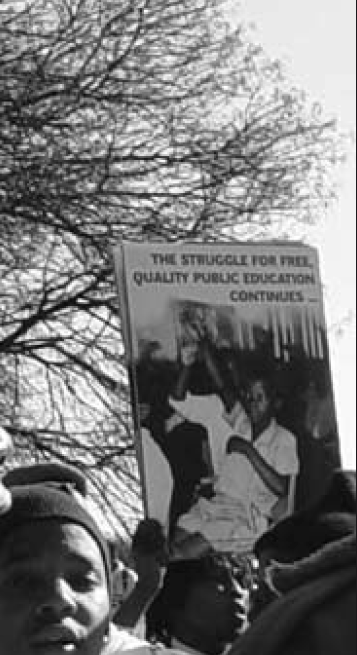
Vumile Velaphi and Maxwell Nqeno* We all thought that in freedom all people will have equal opportunity to liberate their minds and accumulate wisdom and […]
This article is an edited version of the APf submission made to the national department of Education in April 2003
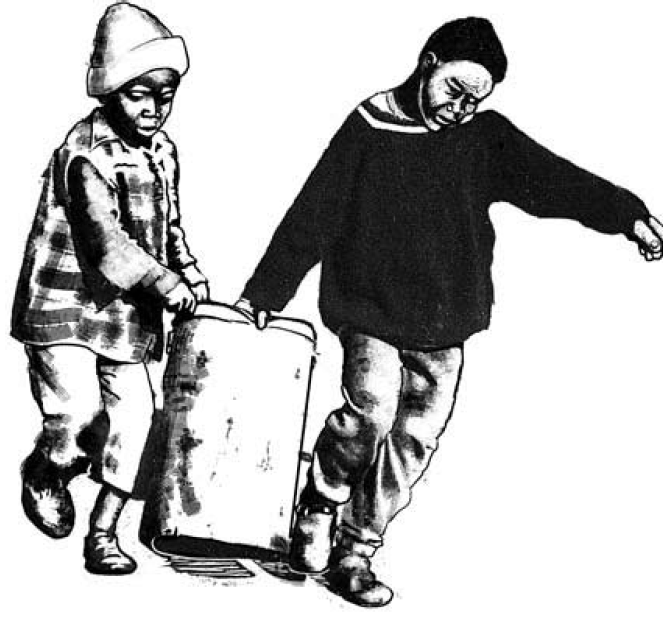
The streets are my home The streets are my hiding place I have sought refuge in the streets I have sought refuge from hunger, poverty, […]
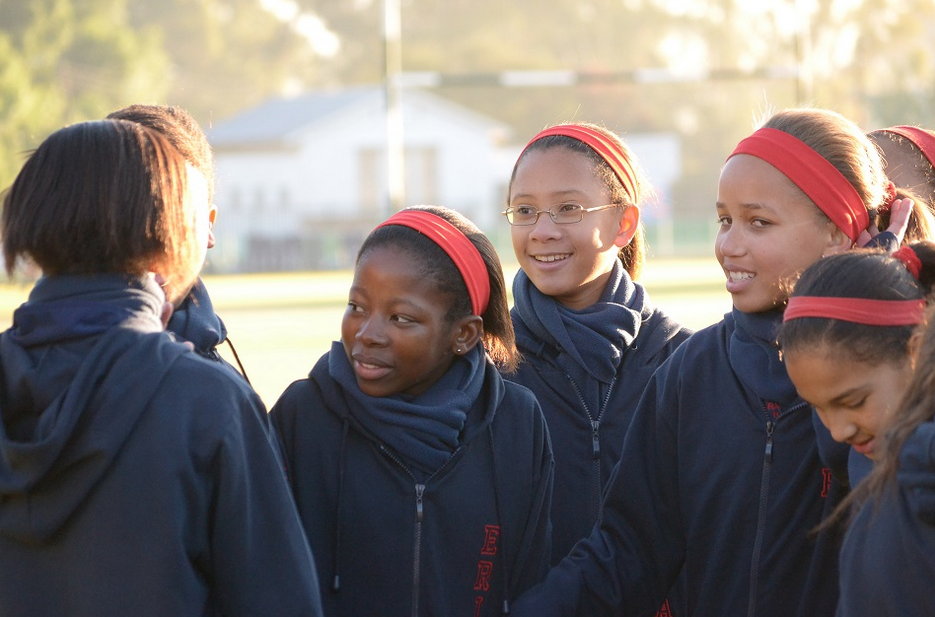
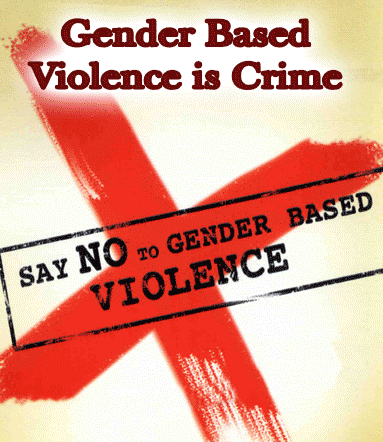
The government has not made much progress to combat violations of girl learners in public schools. Recent reports we have received with regard to the […]
This article will draw on the experiences of people in a number of countries that have recently experienced armed conflicts or, rather, exist under conditions […]
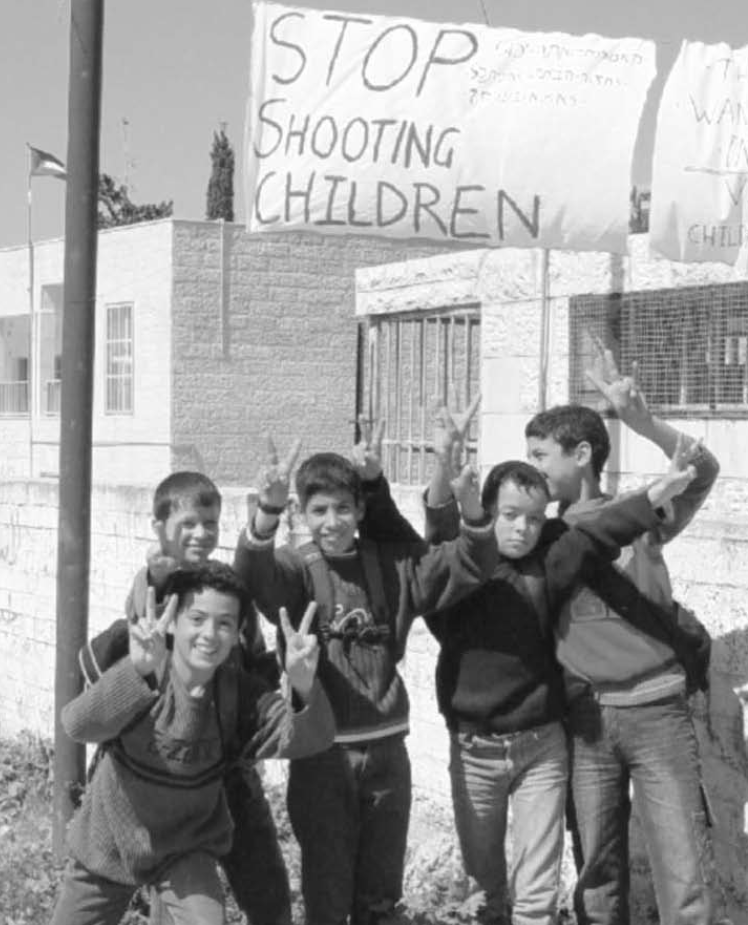
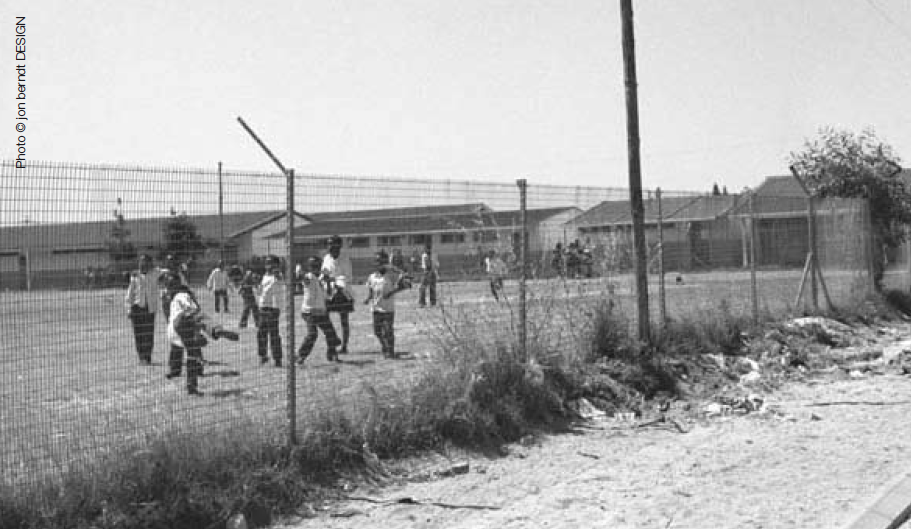
A group of students, academics and workers from the Right to Education Campaign based at Bir Zeit University, Palestine, visited South Africa in February 2004.They […]
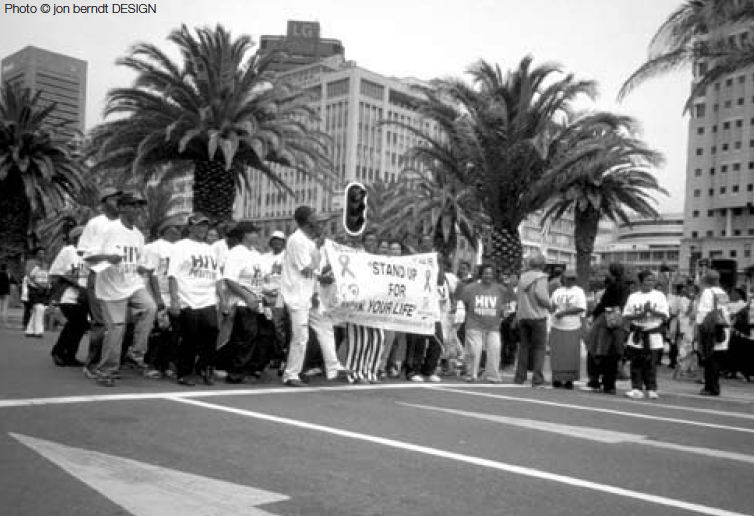
The HIV/AIDS pandemic in southern and South Africa has resulted in widespread social problems and individual suffering. Among those living with HIV/AIDS two groups are […]
Copyright © 2026 | WordPress Theme by MH Themes