
Women & the Environment
Ontibile Moalusi discusses the neoliberal model, and some of its impact and challenges for women in this sector.
Ontibile Moalusi discusses the neoliberal model, and some of its impact and challenges for women in this sector.
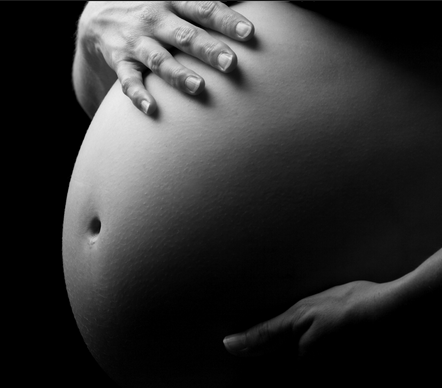
Judy Merkel assesses the legislation on reproductive rights over the past ten years and its impact on South African women.
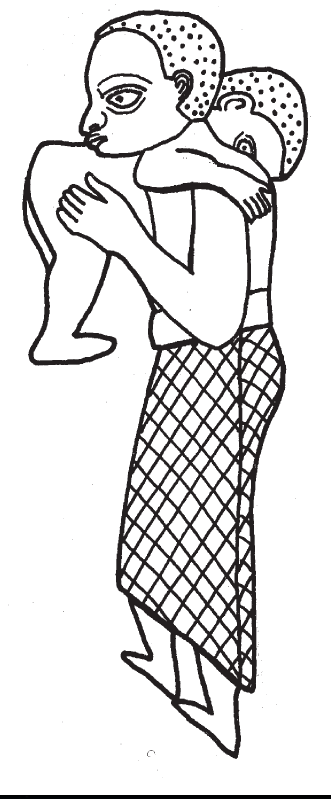
Judy Merkel argues that the ‘right to choose’ legislation has improved women’s health but the struggle to deepen implementation remains.
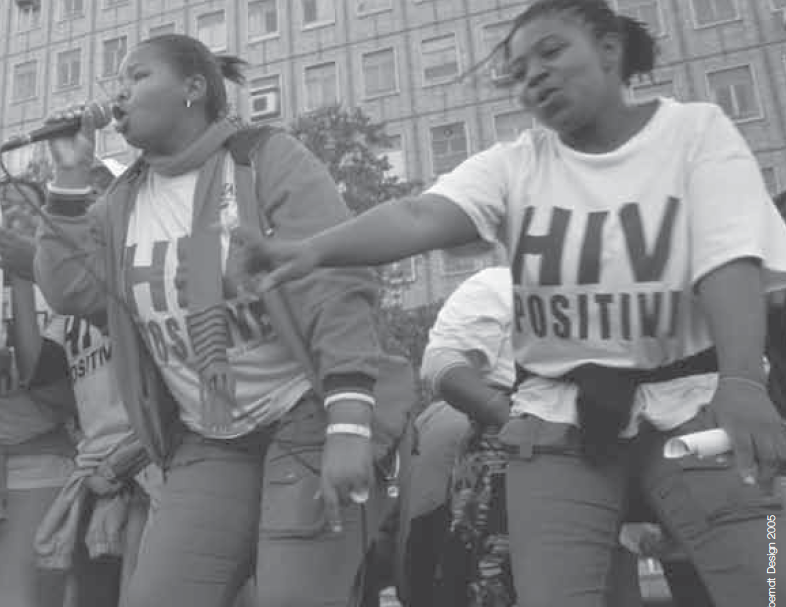
Fazeela Fayers calls on women to reflect on the sacrifices they make as volunteers in the health sector as this only reproduces government and private sector complacency.
Desiree Takalo discusses sexual violence against women and argues for the need to change legislation in favour of women.
Modiehi Khuele looks at how patterns of patriarchy are being reproduced in the new social movements, and contributes to gender inequality in South Africa today.
By Betty Selolo (LPM) We are the women, we are the Fighters, we are the mothers of The nation. We are ‘unbold’ but Beautiful. We […]
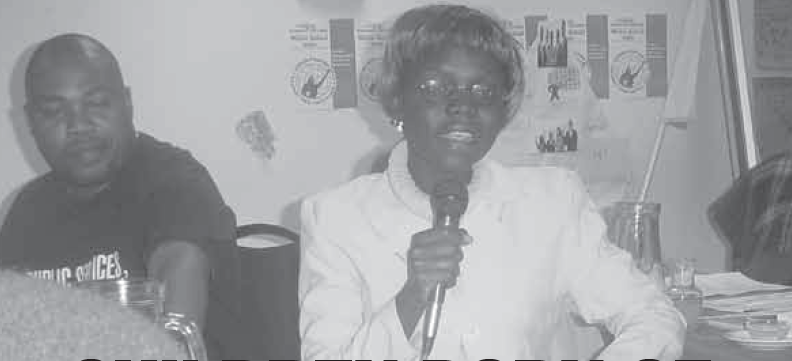
Eunice Apio argues that the children born out of conflict and abduction by the Lord’s Resistance Army in Northern Uganda, should be reintegrated, together with their mothers, into society.
By Nthabiseng Mkhwanazi. remember the first time that I saw you. You asked me my name, And I gave you a beautiful smile. When you asked […]
Zambia has set a precedent as the first African country to form a national alliance of informal sector workers. The alliance aims to strengthen the voice of workers in the informal economy, to unite and engage with policy makers at all levels of government. The informal economy has grown tremendously in the past few years. In Southern Africa, women make up the majority of this sector – 60%-80%.
Copyright © 2026 | WordPress Theme by MH Themes