
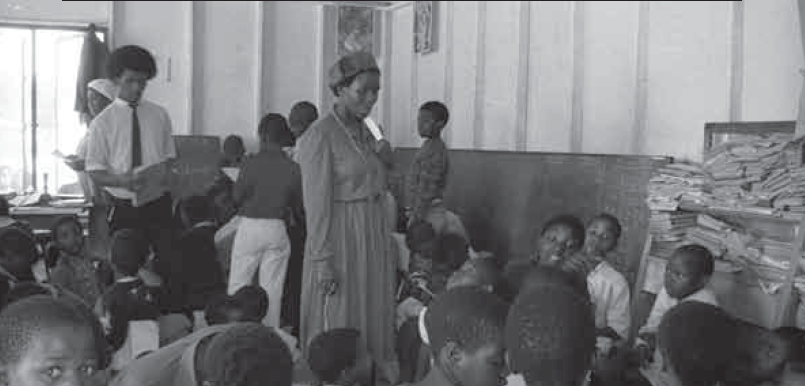
Problems of School Infrastructure
David Lukhele looks at the infrastructure problems at rural and urban working class schools, compares them to former Model C schools and contends that government policy is responsible for the big gaps between them.
David Lukhele looks at the infrastructure problems at rural and urban working class schools, compares them to former Model C schools and contends that government policy is responsible for the big gaps between them.
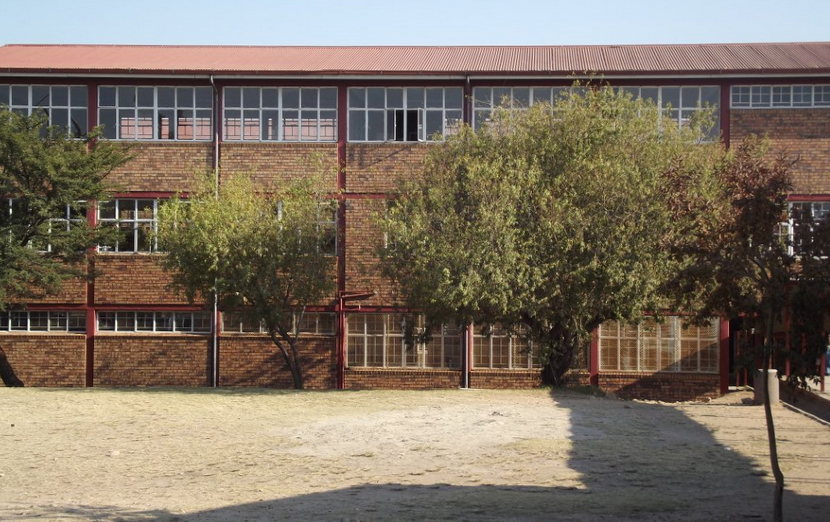
Khulekani Mthembu argues that the merging of schools raises questions about the standard of education in townships.
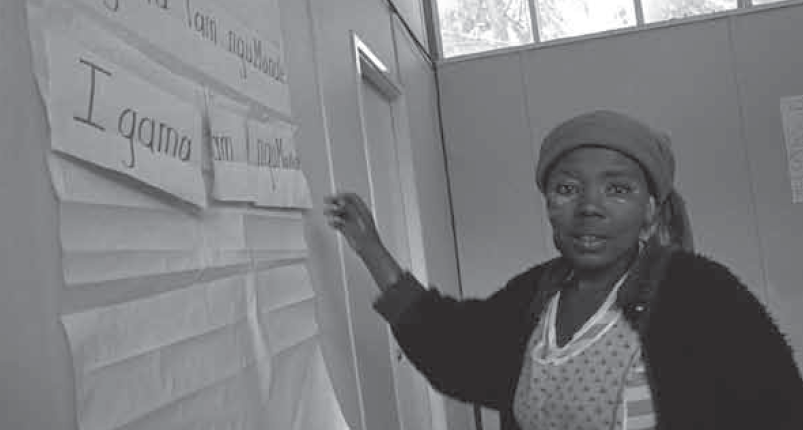
This article written by ABET practitioners – Themba Mbhele, Oupa Dlangalala & Takiso Matlakala – looks at how this type of education provides a space for illiterate people in South Africa to develop organisational and life skills.
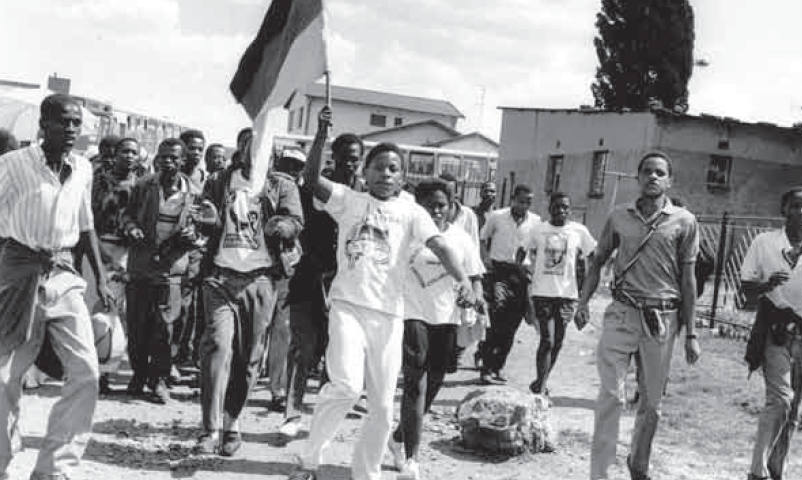
Nomzamo Mati looks at developments at tertiary institutions and their impact on black working class students. She also looks at the role played by Sasco.
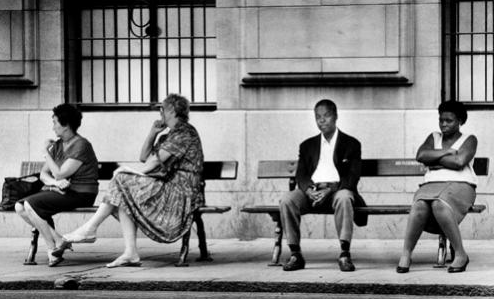
Dieketseng Mosinki & Shibobo Moiloa write about the formation of the BCP which has used culture to develop education organize for the community of Bophelong.
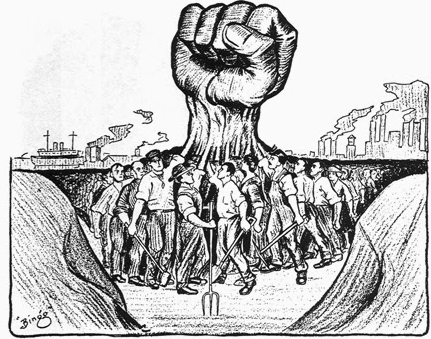
Simthembile Zatu writes about the Vaal-based WCCC which attempts to tackle community problems in accessing basic services and free quality education.
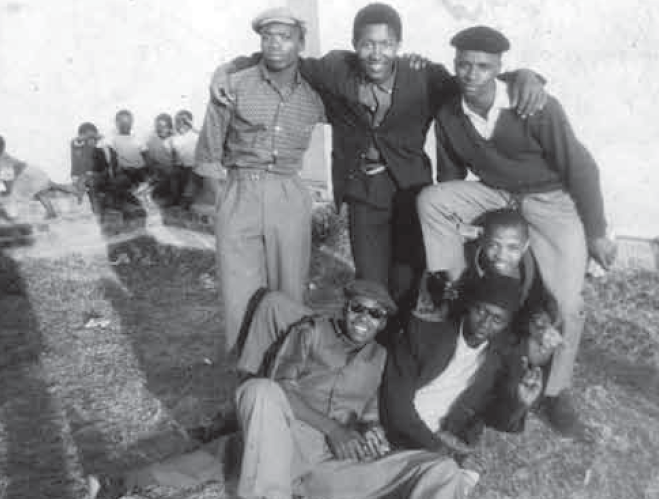
Ben Ntoloane argues government’s GEAR policy is responsible for the high unemployment rate among the youth and reflects on the need to organise among unemployed youth.
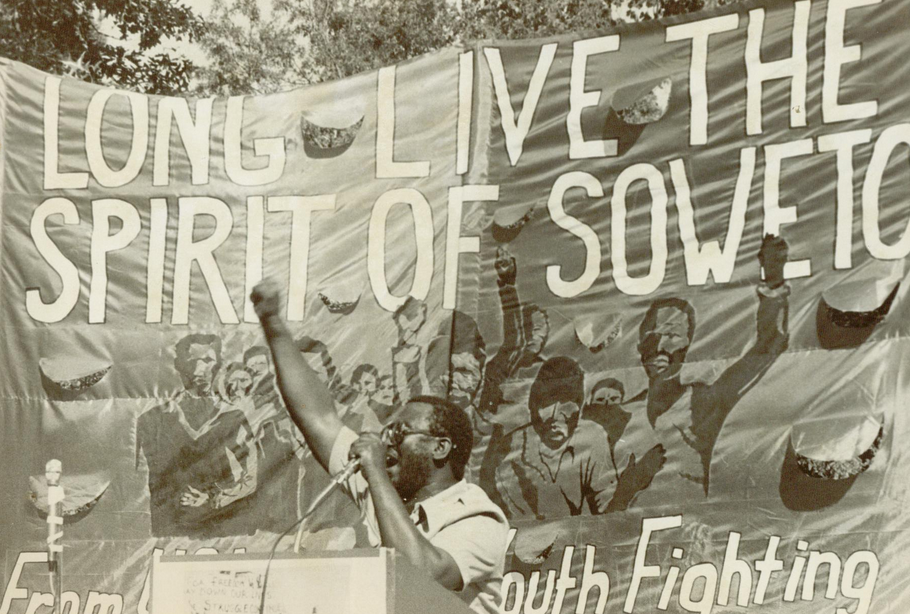
Molefi Ndlovu argues that the de-mobilisation of old formations has created new oppression for activists.

Happy Lovely Yende writes about the SCA which has used recreational methods of education for reaching young people in Small Farm to return used educational materials to their schools.
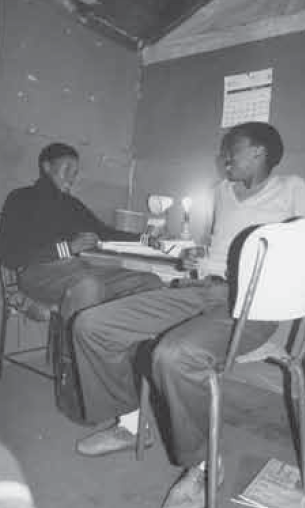
Ighsaan Schroeder looks at study groups, why they are important in the present period, how to set them up and how they should function
Copyright © 2026 | WordPress Theme by MH Themes