
David Lukhele looks at the infrastructure problems at rural and urban working class schools, compares them to former Model C schools and contends that government policy is responsible for the big gaps between them.
This article looks at the state of school infrastructure in townships and rural areas. It will pay particular attention to the continued disparities between former Model C schools and schools servicing previously disadvantaged communities. The article argues that the implementation of the Growth, Employment & Redistribution (GEAR) policy has had a negative effect on the policy directions of the department of education, increasingly aligning education values with those of business. This has had the effect of making schools compete for scarce resources, informed by how well they “market” themselves. The article draws some key observations from the research report published by a community research initiative in the Northern province.
A LACK OF INFRASTRUCTURE IN SCHOOLS
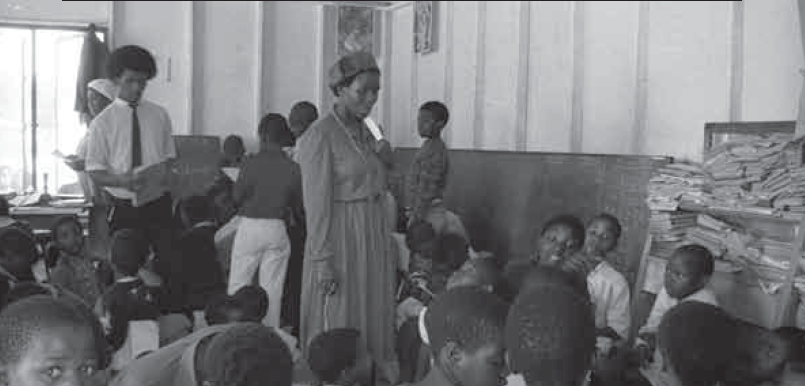
The general lack of infrastructure in schools, clinics and recreational facilities affects every aspect of people’s daily lives. In Ga-podile, for example, government built a clinic in 2001 but it had no electricity or water, which led to the staff abandoning the clinic after a few months. This lack of basic services in the community affects schools. It also affects access to schooling and quality education for all. For example, Adult Basic Education Training (ABET) classes cannot be offered because there is no electricity. Many schools in rural areas do not have doors or windows. In the research done 61% of all classrooms needed walls while 58% did not have ceilings. As a result classrooms are hot in summer and cold in winter.
Half of the schools were not fenced. Only 45% of principals surveyed said that drinking water was available in the schools, while only 43% said they had electricity. Seventy-one percent reported that toilets were available, but this does not always mean that they function properly. Resources such as telephones, fax machines, computers and storage facilities also do not always function properly.
The crisis is made even more acute when we make a comparison with the infrastructure provision of ex- Model C schools. One example is the General Smuts High School in Vereeniging. At a glance the school still evokes the glory and splendor of apartheid privilege. The school grounds are expansive, with an Olympic-sized swimming pool and stadiums for the sports fields. Compare this with the pathetic, half-hearted attempts to build more schools in townships and it is bound to deepen feelings of resentment and anger. For example Saphire Secondary in Bophelong township which was built in 2004 after long struggles and demands from the community members and youth of Bophelong. When the school was completed and ready for occupation, the buildings were in such a poor state, the walls had massive cracks, the fixtures were loose and ceilings seemed ready to collapse. Learners refused to occupy the school, fearing for their safety.
The state has shown a reluctance to deal with demands for redress. Solutions are left to the clever marketing strategies of individual schools to help them secure the funds needed for renovating and increasing resource capacities for the learners to enjoy quality education.
David Lukhele is a member of the LRF in the Vaal and a co-ordinator of the APF education sub-committee
Leave a Reply
You must be logged in to post a comment.