
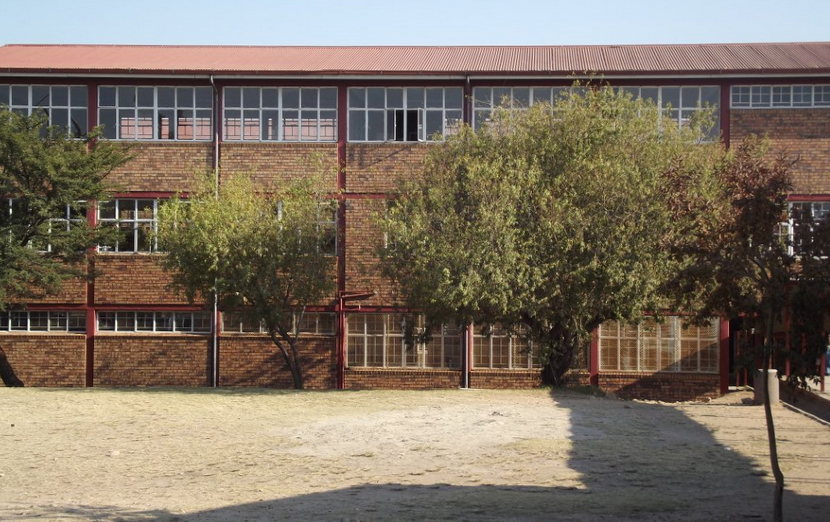
Khulekani Mthembu argues that the merging of schools raises questions about the standard of education in townships.
The merger of Orlando High and Altem High school has angered many residents and former students from both schools because one of them will be converted into a community centre. It will be a very sad moment for the community of Soweto, particularly those from Orlando, as these schools have a lot of history attached to them. For example Orlando High was highly involved in the 1976 June 16 Soweto uprising and it produced many freedom fighters who became leaders in our country. The MEC for education in Gauteng, Angie Motshekga, is also a former teacher at the school.
The issue of the merger has raised a lot of public concern about the state of education in township schools. The reason given by the Department of Education (DoE) for the merger is that there is a low registration of students at both schools and it therefore makes sense to merge them as they are right next to each other. However, the parents argue otherwise. They blame the DoE for not providing the schools with the necessary educational materials such as books, as well their poor infrastructure. The question arises that has it really come to the point where the only solution to this problem is closing down these institutions, which are an important part of these communities?
In June 2003 Kader Asmal, the former education minister, said that government’s plan of action was improving access to free and quality basic education for all. The aspects of the plan were exempting 25% of learners from poor households in the richer schools from paying school fees, and establishing a capital investment plan by 2004 to target critical areas of infrastructure needs. So with these two key aspects of the plan in mind, the communities need to get the DoE to improve the schools infrastructure and exempt qualifying learners from paying school fees. It is not right for the DoE to merge two schools to cut down on costs.
The Gauteng DoE was allocated R9 051 000 for
2005 but the gap between the rich & poor public schools system is increasing. For example, Goqa Secondary School in Orange Farm, which had a pass rate of 8,2% in the 2004 matric results, will no longer be funded by the Gauteng DoE because of its poor performance. This highlights how our MEC chooses to deal with the problems facing township schools.
If there is poor performance by schools that means no funding. If there is a low number of learners attending a school then a merger is done to solve the problems. If we had committed leadership in the DoE, then schools will be revived to ensure that more learners can come back to the township schools.
Khulekani Mthembu is a member of the Soweto Electricity Crisis Committee (SECC).
Leave a Reply
You must be logged in to post a comment.