
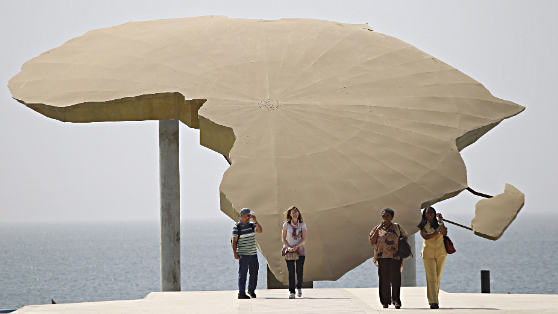
George Dor* argues that the future of the ASF lies in building strong social movements, and in countering careerist tendencies now dominant in the forum.
The first World Social Forum (WSF) in Porto Alegre in 2001 included a small number of Africans, who agreed on the need for a more substantial and coordinated presence at future forums. This stimulated the establishment of the African Social Forum (ASF), which met for the first time in Bamako, Mali, in 2002. There has been one further continental forum to date, namely in Addis Ababa, Ethiopia, in 2003. There was no African forum prior to the WSF in Mumbai this year. Approximately 200 people attended each of the forums from some 40 or more countries on the continent. There were large delegations from Senegal and Mali and about 10 people from South Africa. Perhaps one or two people represented most countries.
These forums represent significant achievements in bringing together people from a variety of sectors and struggles from countries and regions across
The continent. They provided a context in which extensive debate could take place and in which more radical perspectives could be shared. They resulted in declarations, which express an African voice of condemnation of the prevailing neoliberal global system. The ASF has also been able to meet its objective of ensuring a more consolidated and united African civil society presence at the WSF.
But the development of the African Social Forum has also thrown up various issues, debates, contestations and tensions that need to be addressed.
Social movements and NGOs
One of the recurring issues relates to the type of African Social Forum we should be building. There has been persistent tension around the question of the relationship between social movements and NGOs in the ASF. In the continental forums, agreement has been reached around the need to continental meetings, thus limiting the participation of social movements.
The question of the relationship between social movements and NGOs has also manifested itself in apparent differences between regions – more particularly between Francophone and Anglophone Africa. The Southern Africa region has tended to prioritise social movements. This is reflected to a certain degree in East Africa and a somewhat lesser degree in Central Africa. West African participation in the ASF has been dominated by NGOs. Some have argued that this is because social movements are more developed in Southern Africa and hardly exist in West Africa, but the problem is probably more one of the political orientation of the different regionalleaderships.
Programme versus space
Another recurring debate is that of the types of activities the ASF should be organising. There are those who argue that the ASF should be no more than a “space” where people can meet, on the basis that this allows for more diversity of participation and is in keeping with the WSF and its charter. Others contend that the ASF should have a programme to advance our struggle against neoliberalism and the way it manifests itself on our continent.
The African social forums to date have had a substantially different character to that of the WSF. They have been organised as conference type events, in which people have identified common struggles, perspectives and positions. For example, in Bamako, agreement was reached on the potentially damaging impact of Nepad on the majority of people of the continent and the importance of us standing together to contest Nepad.
This suggests a clear issue around which the ASF should have a strategy. This could include the ASF carrying out certain activities, such as widespread dissemination of information on Nepad root the ASF in social movements and to ensure that the ASF plays a role in strengthening these movements. The primacy of social movements, supported by NGOs, is clearly reflected in the Addis Ababa declaration.
Yet, outside of these forums, a significant level of NCO-ism keeps reemerging. Examples include the types of delegates identified to attend the African and world social forums and the recurring argument that individual organisations should finance their own way to preparatory and sub should relate to our governments and continental government structures. In Bamako, the secretariat had invited a representative of the Senegalese government’s Omega Plan, one of the constituent elements of Nepad, to participate in the ASF discussions. In Addis Ababa the ASF secretariat had requested representatives of the African Union to open the ASF and set the tone for the days ahead.
In both instances the invitations to government institutions led to heated debate, and in Addis this led to a division of the plenary and ultimately the withdrawal of the request for the input.
These incidents reflect underlying differences in approach to struggle. They also signal a deeper concern around the ASF, namely that it can become a steppingstone for those who aspire to sit in committees and conferences with government institutions.
Civil society and government
A third area of difference is around how we based at the NCO Enda in Senegal, has attained effective control over the ASF.
This has had serious repercussions, and the absence of an effective coordinating structure has allowed the pursuit of narrow ambition in a largely non-transparent and unchecked manner. In Mumbai it emerged that the next big ambition of this group is the hosting of the World Social Forum in Africa in 2006.
Where to for the ASF?
There are perhaps two distinct and opposed ways in which to respond to these developments. The first is to decide to leave the forum on the basis that a more substantial and coordinated presence at future forums. This stimulated the establishment of the African Social Forum (ASF), which met for the first time in Bamako, Mali, in 2002. There has been one further continental forum to date, namely in Addis Ababa, Ethiopia, in 2003. There was no African forum prior to the WSF in Mumbai this year. Approximately 200 people attended each of the forums from some 40 or more countries on the continent. There were large delegations from Senegal and Mali and about 10 people from South Africa. Perhaps one or two people represented Most countries.
These forums represent significant achievements in bringing together people from a variety of sectors and struggles from countries and regions across the continent. They provided a context in which extensive debate could take place and in which more radical perspectives could be shared. They resulted in declarations, which express an African voice of condemnation of the prevailing neoliberal global system. The ASF has also been able to meet its objective of ensuring a more consolidated and united African civil society presence at the WSF.
But the development of the African Social Forum has also thrown up various issues, debates, contestations and tensions that need to be addressed.
Social movements and NGOs
One of the recurring issues relates to the type of African Social Forum we should be building. There has been persistent tension around the question of the relationship between social movements and NGOs in the ASF. In the continental forums, agreement has been reached around the need to continental meetings, thus limiting the participation of social movements.
The question of the relationship between social movements and NGOs has also manifested itself in apparent differences between regions – more particularly between Francophone and Anglophone Africa. The Southern Africa region has tended to prioritise social movements. This is reflected to a certain degree in East Africa and a somewhat lesser degree in Central Africa. West African participation in the ASF has been dominated by NGOs. Some have argued that this is because social movements are more developed in Southern Africa and hardly exist in West Africa, but the problem is probably more one of the politicalorientation of the different regional leaderships.
Programme versus space
Another recurring debate is that of the types of activities the ASF should be organising. There are those who argue that the ASF should be no more than a “space” where people can meet, on the basis that this allows for more diversity of participation and is in keeping with the WSF and its charter. Others contend that the ASF should have a programme to advance our struggle against neoliberalism and the way it manifests itself on our continent.
The African social forums to date have had a substantially different character to that of the WSF. They have been organised as conference type events, in which people have identified common struggles, perspectives and positions. For example, in Bamako, agree ment was reached on the pote ntially damaging impact of Nepad on the majority of people of the continent and the should relate to our governments and continental government structures. In Bamako, the secretariat had invited a representative of the Senegalese government’s Omega Plan, one of the constituent elements of Nepad, to participate in the ASF discussions. In Addis Ababa the ASF secretariat had requested representatives of the African Union to open the ASF and set the tone for the da ys ahead.
In both instances the invitations to government institutions led to heated debate,and in Addis this led to a division of the plenary and ultimately the withdrawal of the request for the input.
These incidents reflect underlying differences in approach to struggle. They also signal a deeper concern around the ASF, namely that it can become a steppingstone for those who aspire to sit in committees and conferences with government institutions.
Organisational issues
Perhaps the biggest obstacle facing the ASF relates to its organisational functioning. One of the key issues to emerge at the first ASF in Bamako was that of its structure. Some argued that the ASF should include a secretariat and a loosely structured sounding board open to all. The motivations put forward were that we shouldn’t overbureaucratise the forum and that we shouldn’t introducehierarchy into the forum.
The counter-argument was that a large, loose body with no clear mandate would not constitute an effective structure. Given limited financial resources, such a body would in all likelihood be unable to meet between forums. As such, it would simply entrench a more dangerous form of hierarch that of the secretariat over the forum as a importance of us standing together to contes Nepad.
This suggests a clear issue around which the ASF should have a strategy. This could include the ASF carrying out certain activities, such as widespreaad
Dissemination of information on Nepad widespread dissemination of information on Nepad based at the NCO Enda in Senegal, has attained effective control over the ASF.
This has had serious repercussions, and the absence of an effective coordinating structure has allowed the pursuit of narrow ambition in alargely non-transparent and unchecked manner. In Mumbai it emerged that the next big ambition of this group is the hosting of the World Social Forum in Africa in 2006.
Where to for the ASF?
There are perhaps two distinct and opposed ways in which to respond to these developments. The first is to decide to leave the forum on the basis that the problems outlined above are irresolvable. Many have chosen this route. In West Africa, an African Peoples Forum has been established. Other activists and organisations have joined various international networks in preference to participating in the ASF.
The second is to persist in contesting the issues facing the forum. In Mumbai, the vast majority of South Africans, together with their Southern African counterparts, pursued this option. Unfortunately, the two very different forms of response, following
largely regional lines, provided the opportunity for those supporting the current balance of power in the ASF to categorise the Southern Africans and, more specifically, the South Africans, as the source of division in the ASF.
Any continued contestation of the ASF will need to be based on a more systematic building of strong social movements in South Africa, the development of a Southern African Social Forum increasingly representative of the movements in the region and the forging of links with movements in the rest of the continent.
But South African social movements also face the urgent need to develop a clear approach as regards the question of Africa hosting the WSF. Those currently dominant in the ASF may well be thinking of Senegal as a venue. Key decision makers in the WSF are also considering South
Africa, and could approach civil society formations
here that can at best be described as ambivalent about neoliberalism. Either option represents a very real threat to the integrity of the WSF as a vehicle towards another world beyond neoliberalism.
*George Oor is an activist in Jubilee South Africa
Leave a Reply
You must be logged in to post a comment.