
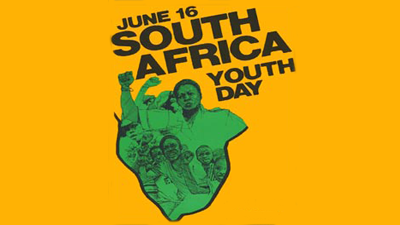
16 June 1976 Ignited the Nation’s Creative Imagination
Mphutlane wa Bofelo* discusses the influence of the 1976 students uprising
Mphutlane wa Bofelo* discusses the influence of the 1976 students uprising
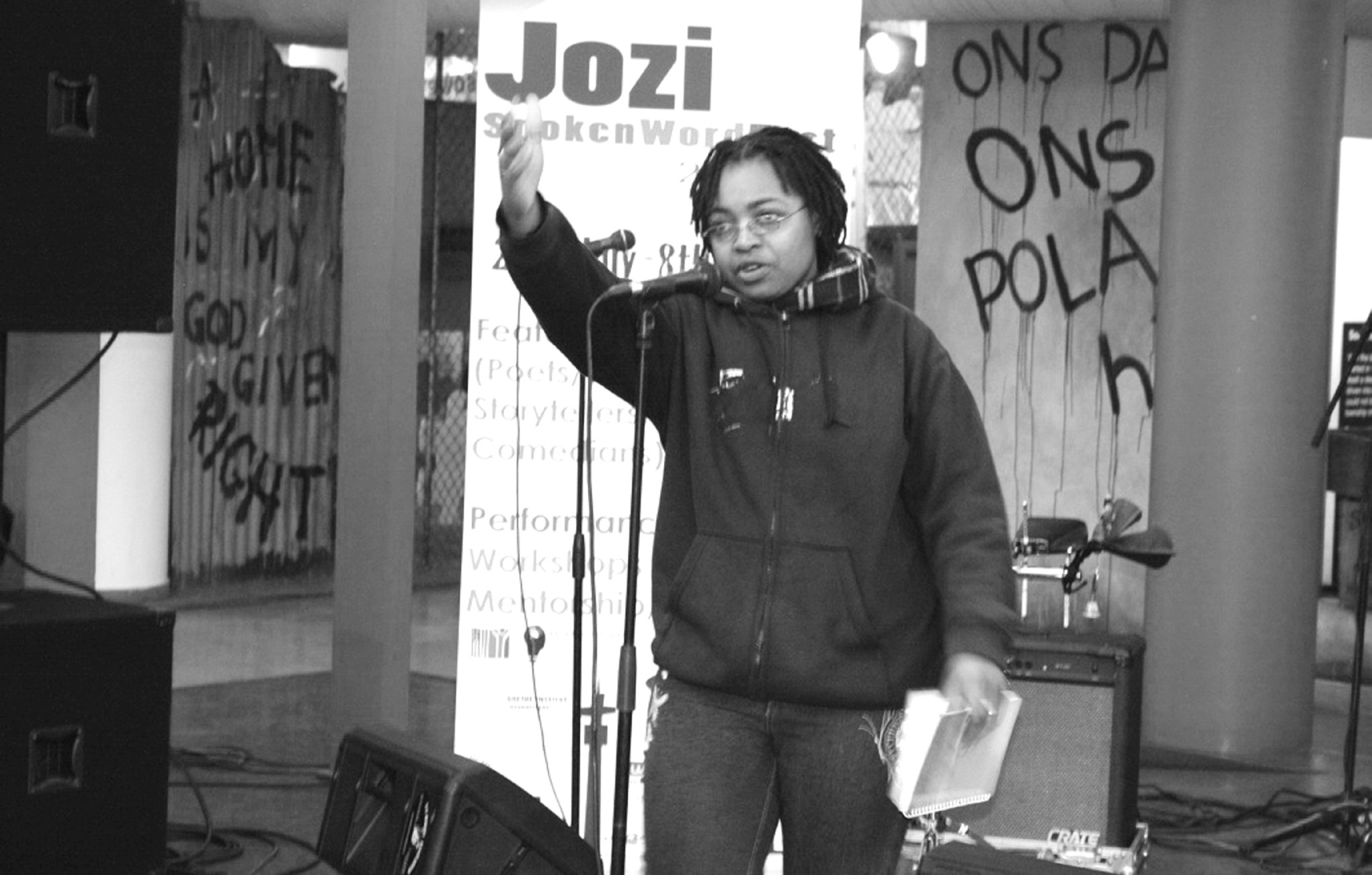
Allan Horwitz* discusses the nature of art, poetry and struggle under Apartheid in the 1970s and 1980s, and the ‘new’ poetry in post apartheid South Africa.
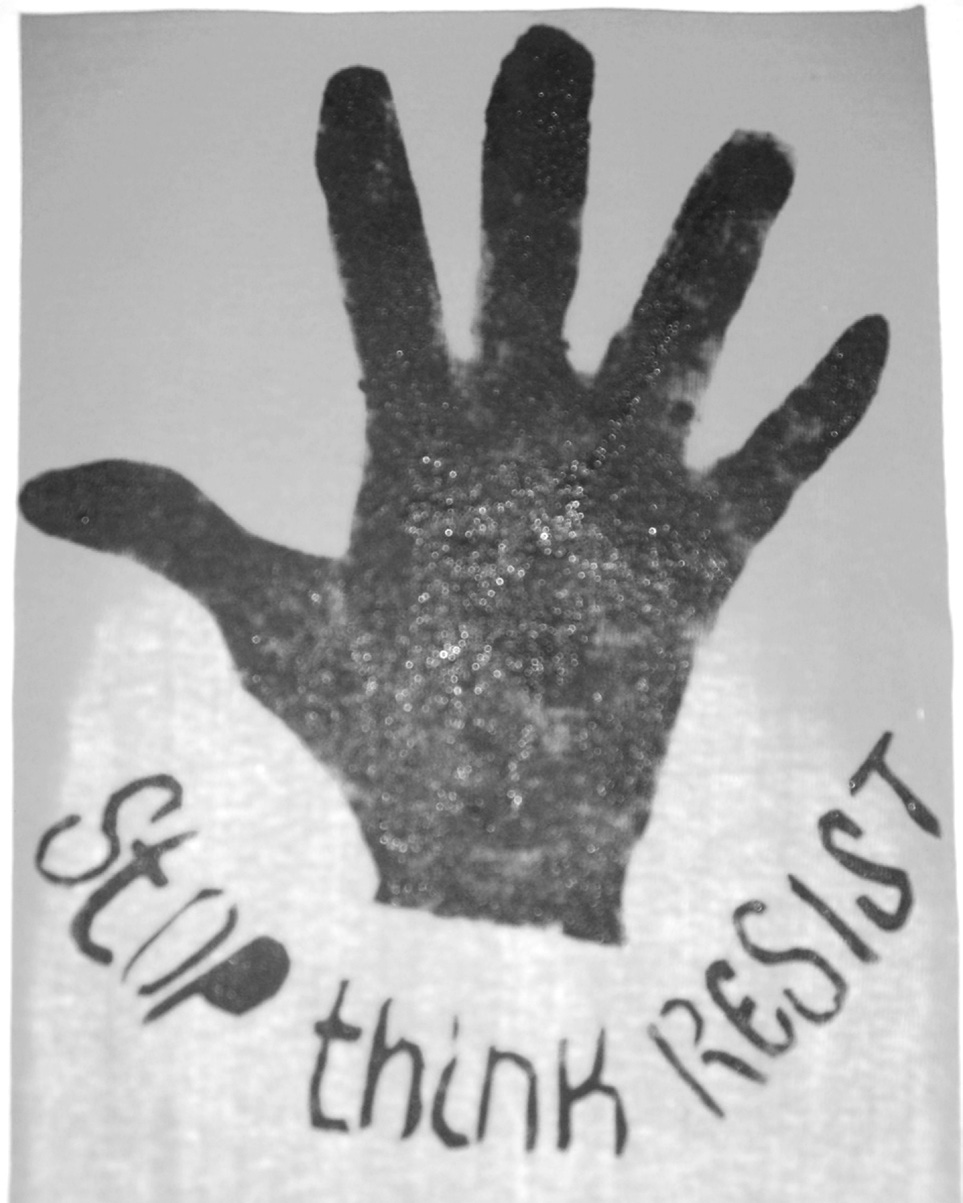
Dorris Lekgowa* outlines the aims of the ikageng Study Circle
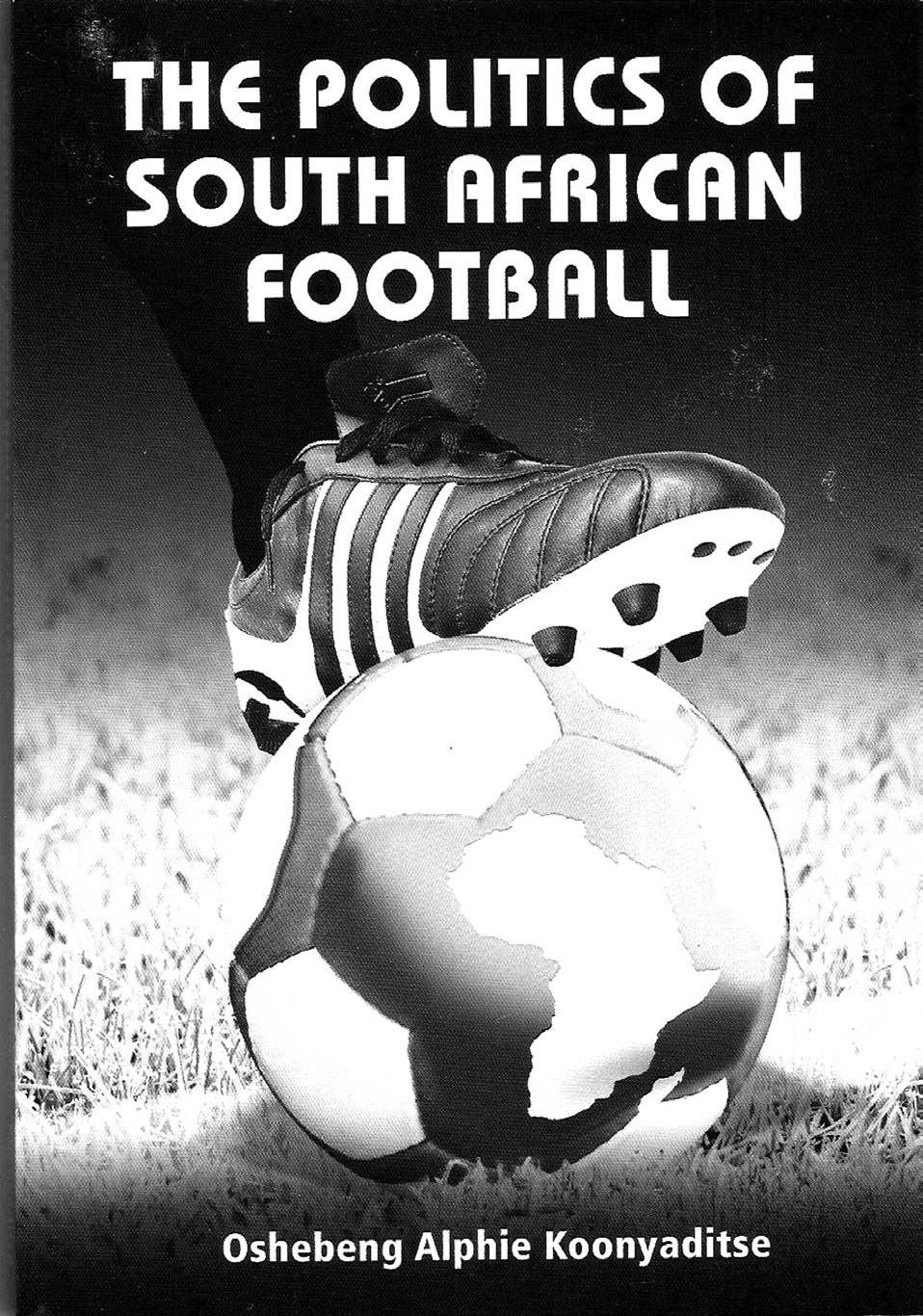
Malaika Lesego Samora Mahlatsi* reviews this book on soccer and states that although it raises fond memories for him, it does not explore the meaning of the World Cup for South Africa.

Association of Research Libraries statement to scholarly Publishers on the Global economic Crisis February 19, 2009 Impact on ARL Member Libraries The Association of Research […]
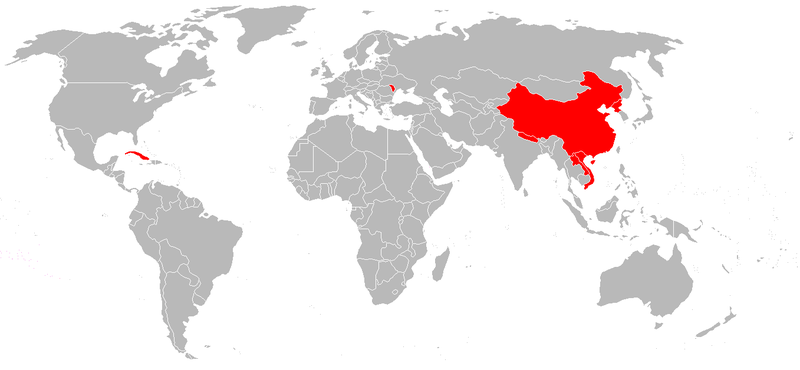
Date Country/Town Detail of Activity Demands 22DECEMBER 2009 NEPAL – Kathmandu Communists and masses engaged in struggle with the military and country’s elite: Well over 100 […]

This edition of the Khanya Journal comes against a backdrop of on-going uncertainty whether the global capitalist crisis has indeed passed. With general rises in […]
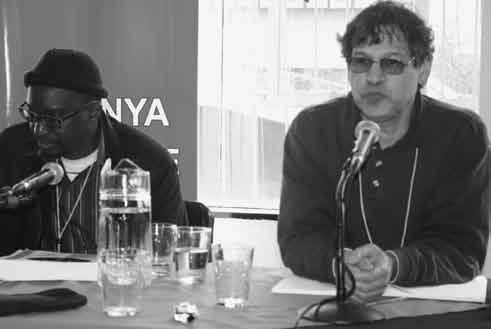
In this article Ighsaan Schroeder* gives an overview of the main activities at the 2009 Winter School and an assessment, including that of participants at the Schoo

In this article Ighsaan Schroeder* outlines the reasons for Khanya hosting such a conference and some of its main deliberations

In this article Angela Conway* looks at how capital accumulation has been changing in the countryside and the organisations that have emmerged recently to challenge it.
Copyright © 2026 | WordPress Theme by MH Themes