
| Date | Province/Town | Comments |
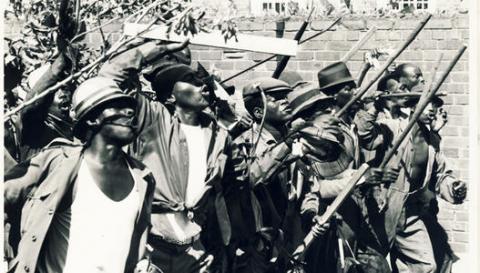
| 9 January 1973 | Natal, Durban | 2000 African workers at the Coronation Brick and Tile Company, in northern Durban, go on strike demanding an increase of the minimum cash wages of R8.97 to R20 per week. |
| 26 January 1973 | Natal, Pinetown and New Germany | The strikes spread to other factories of the Frame Group and affects about 6000 African and Indian workers. Management offers a relatively small wage increase and workers reject this. |
| 5 February 1973 | 5 February 1973 | About 3000 African workers of the Durban Corporation stop working. This negatively affects cleaning, draining, road and electricity work in the city. The workers demand a R10 per week wage increase on the existing average wage of R13 per week. Other workers of the corporation join the strike increasing the number to 16,000. Many Indian workers join the strike. |
| 6 February 1973 | Natal, Hammarsdale | About 7000 workers in 12 industries are reported to be on strike. The workers demand an increase to R5 per week wage from R3. Initially the bosses offer a R2 per week wage increase but workers reject it. |
| 7 February 1973 | Natal, Durban, Pietermaritzburg and Port Shepstone | About 30,000 workers strike, including 16,000 municipal workers. Strikes are also reported in other parts of Natal such as Pietermaritzburg and Port Shepstone. |
| March 1973 | Natal | 14 strikes are reported throughout Natal involving 6000 African workers. |
| September 1973 | Transvaal, Carletonville | The most publicised miners’ action occurs at the Western Deep Level Mine. Police open fire on black mineworkers protesting against the rejection of their wage demand. |
| 21 – 23 January 1974 | Natal, New Germany | About 1200 workers from Frame Group’s Pinetex Mill strike demanding higher wages. Police arrest 250 workers and the strike spreads through ten textile factories. |
| 22 January 1974 | Natal, New Germany | About 5000 workers march to the Frame Group main textile mill. Wage negotiations are conducted with the bosses during the demonstration. |
| 21 March 1974 | Natal, Durban | A dispute breaks out between workers and the Leyland Motor Corporation. The company dismisses all 220 workers in the Mobeni plant. The dispute is caused because management did not want to recognise the Metal and Allied Workers’ Union (MAWU). |
| July 1974 | Nationwide | 11 companies in the engineering sector: four on the East Rand, six at Welkom and one in Durban are affected by strikes involving 3000 workers. |
| 24 July 1974 | Transvaal | The engineering strike wave continues and 15 other companies in other sectors on the Reef are also affected by wage strikes. |
| 22 July – 3 August 1974 | Cape, East London and Border area | About 5000 workers strike in East London. Over 3500 workers in King William’s Town also strike. Over 1500 workers at the Crag Distributor Assembly in East London go on strike. |
| 7 August 1974 | Natal, Durban | 1500 textile workers at the two Frame Mobeni Miles strike over wages. |
| 8 August 1974 | Cape, Zwelitsha | Police use teargas to disperse striking workers at the Goodhope Textile Mill. Workers demand a wage increase from R9 to R24 per week. |
| 22 – 23 August 1974 | Transvaal, Johannesburg | Over 300 women workers strike at the Turnwright Sweet Factory. |
| 28 – 31 October 1974 | Transvaal, Johannesburg | Over 600 workers at the Baragwanath Hospital are arrested and taken to John Vorster Square for striking for higher wages. |
| 1975 | Nationwide | The minister of labour reports that 119 strikes occurred in 1975, and 87 of these are caused by wage demands. |
| 1 January 1976 | Transvaal, Rustenburg | Over 1000 black chrome miners strike over wage increases. 1 June 1976 Transvaal, Vereeniging 3600 black miners at the Corenlia Colliery strike over delay in wage increases. |
| 16 June 1976 | Nationwide | Soweto students demand the scrapping of Afrikaans and Bantu education and this sparks a nationwide student uprising. |
| 4- 6 August 1976 | Nationwide | Workers support a three-day stay-at-home in solidarity with the students’ uprisings of 1976. |
| 1977 | Nationwide | The minister of labour reports that 40 strikes occurred in 1977, as compared with 195 strikes in 1976. The main cause of the strikes is wage demands. |
| 8 April 1978 | Transvaal, Carletonville | Over 2000 black miners of the Blyooruitzitch Gold Mine strike over pay increases. |
| May 1978 | Transvaal, Pretoria | About 1500 black workers at Sigma Motor Corporation strike over wage increases. |
| 19 January 1979 | Ciskei, East London and Mdansane | About 286 bus drivers working for the Ciskeian Gompo Bus Company strike over overtime pay. |
| 2 March 1979 | Cape, Worcester | 1000 workers of the Rainbow Chicken strike over bonuses. Ten workers and the secretary of the Food and Canning Workers Union (FCWU) are detained during the strike. |
| 9 April 1979 | Transvaal, Elandsrand | Over 4400 black miners at Elandsrand Gold Mine refuse to go underground demanding to elect their own representatives. |
| 25 April 1979 | Cape, Bellville | Bosses at Fattis and Monis mill in the Western Cape fire workers after they demand for recognition of the FCWU. Subsequently the union launches a boycott campaign against all Fattis and Monis products. |
| November 1979 | Cape, Port Elizabeth | About 700 workers at Ford Straundale plant strike against the dismissal of Thozamile Botha, a member of the executive committee of Port Elizabeth Black Civic Organisation (PEBCO). Ford bosses accede to the demands of workers and the United Automobile Workers Union. Botha is re-instated. Workers receive pay for their time on strike. |
| 24 March –1 April 1980 | Cape, Western Cape | 59 workers who are also members of the Western Cape General Workers’ Union (WPGWU) strike over the dismissal of a fellow worker at the Karoo Meat Exchange. The bosses dismiss all strikers. Workers at other meat firms refuse to handle goods from Karoo Meat Exchange until the dismissed workers are taken back. The company reinstates the strikers. |
| 19 May 1980 | Cape, Cape Town | Over 800 workers strike over the Table Bay Cold Storage and National Meat Suppliers’ refusal to recognise a non-racial democratically elected workers’ committee. Workers receive public support and money to sustain the strike, which lasts for 3 months. |
| 22 May –3 June 1980 | Natal, New Germany | About 1200 workers down their tools for higher wages at the Fremetex Textile Mill. |
| 16 June –4 July 1980 | Cape, Uitenhage | More than 3000 Volkswagen workers walk out of the plant demanding higher wages. Workers also protest against the banning of the National Union of Motor Assembly and Rubber Workers’ Union’s (NUMARWOSA). The strike spreads to other factories in the area. |
| 15 July 1980 | Free State, Sasolburg | Sasol workers protest against stricter control measures and harassment by the bosses and the police. |
| 24 July 1980 | Transvaal, Johannesburg | More than 600 municipal workers at Orlando Power Station strike over recognition of their representatives, pay and uniforms. Management refuses to negotiate with the Black and Allied Workers’ Union (BAWU) claiming that the union is not registered. By 30 July, about 10,000 workers in the Johannesburg municipality strike. On 1 August, 1265 workers are sent back to the homelands. |
| 1980 | Nationwide | Workers strike at Rex Trueform, GoodYear, Veka Clothing and a range of newspapers. Most of these strikes are about wages and recognition of legitimate workers’ representatives. |
| 1981 | Nationwide | Over 13,000 mineworkers strike over death benefits. |
| 1981 | Nationwide | Large-scale strikes are reported over the proposed government pension bill. |
| 9 April 1981 | Transvaal, Pretoria | Over 4500 workers at Sigma strike demanding a wage increase. Workers also demand that bosses recognise NUMARWOSA. |
| May – June1981 | Cape, Eastern Cape | About 1000 workers in the Eastern Cape down their tools in sympathy with 150 Ford workers whom management refused to re-employ after a strike. The strike spreads to other factories in the region. In June, after talks between the MACWUSA & employers, workers return to work |
| 1982 | Nationwide | There are more strikes in 1982 than ever before. The number of man-days lost increases by 61% from 226,554 in 1981 to 356,337 in 1982. The manufacturing sector continues to be the most affected by strikes. |
| 1983 | Nationwide | The state introduces the tricameral parliament. Trade unions and communities see these measures as part of the “divide and rule” strategy. Working class organisations call for a boycott of these bodies, and very few people participate in voting. |
| January 1984 | Transvaal, Pretoria | About 1500 members of the National Automobile and Allied Workers’ Union (NAAWU) at the Rosslyn BMW plant strike over wage increments. |
| January 1984 | Nationwide | More than 1600 Pick and Pay workers strike over wages. |
| March 1984 | Transvaal, Klerksdorp | About 42,000 black miners at the Anglo American Corporation’s Vaal Reef Gold Mine strike for two days over wages. |
| April 1984 | Transvaal, Hartebeestfontein | Anglovaal fires 2400 striking miners. The miners were demanding the reinstatement of a shop steward. |
| July 1984 | Nationwide | About 2000 Edgars Store workers strike demanding a higher wage. |
| 1 – 3 September1984 | Nationwide | NUM calls for strikes in the following companies: – Gencor, Gold Field, Anglovaal, Beatrix Gold Mines, St Helena Gold Mine, Transvaal Navigation Collieries. About 28,000 workers participate in the strikes. |
| 1984 | Nationwide | Black mineworkers under the leadership of the NUM are engaged in a number of strikes demanding wage increases, safety and better working conditions in the mining industry. |
| 1984 | Nationwide | AECI in most regions and Sasol in the Free State are affected by strikes led by the South African Chemical Workers’ Union. |
| 5 and 6 November 1984 | Transvaal | COSAS plays a major role in forging unity in struggles by approaching FOSATU, the UDF and CUSA asking them to support student demands. In the Transvaal stu- dents and workers call for a joint stay-away on 5 and 6 November. The stay away is successful. 800,000 workers and 400,000 students participate. |
| 6 November 1984 | Transvaal, Secunda | Sasol dismisses 6000 workers for participating in the November stay-away. |
| May 1985 | Natal, Howick | The dispute at the British multinational corporation BTR Sarmcol is a turning point. The company dismisses 900 strikers from its plant in Howick near Pietermaritzburg. |
| May 1986 | Transvaal | Workers at seven Sentrachem factories strike over wage demands. |
| 3 – 16 April 1986 | Nationwide | There are sympathy strikes in support of BTR Sarmcol workers in the metal industry at Ladysmith , Durban and Benoni. |
| 1986 | Nationwide | Strikes, sit-ins and sleep-ins affect the food industry. A number of strikes are reported in the sector and these are about wages and working conditions. |
| 1 January 1986 | Bophuthatswana | About 30,000 mineworkers organised by the NUM at the Impala Platinum strike over wages, and about 20,000 workers are dismissed for participating. |
| 24 February 1986 | Transvaal, Klerksdorp | About 12,000 NUM members at Anglovaal strike over wages and working conditions. |
| 29 October 1986 | Cape, Port Elizabeth | About 3000 General Motor workers strike over wages and other benefits. |
| May 1986 | Nationwide | The retail sector is hit by a number of CCAWUSA led strikes over wages, working conditions and particular rights for women workers. In May more than 6000 workers at Pick ‘n Pay strike. |
| July 1986 | Nationwide | More than 18,000 members of the NUM strike against the detention and harassment of the NUM leadership. |
| 1 May 1986 | Nationwide | 1986 experiences many stay-aways led by trade unions and supported by work- ing class communities. On May 1 workers stay away, recognising the day as a paid holiday. |
| 1 October 1986 | Nationwide | COSATU and the NUM call for a stay-away to mourn the death of 177 Kinross mine workers. About 600,000 workers participate. |
| 1987 | Nationwide | More than 1000 strikes erupt and 5.8 million man-days are lost. More than 500,000 workers are involved in strikes and stay-aways. |
| 1 May 1987 | Nationwide | Thousands of workers participate in May Day activities. These happen under restrictions placed by the apartheid regime. |
| 5 and 6 May 1987 | Nationwide | Support is given by COSATU and NACTU for a national protest against, among other things, the elections for a whites-only House of Assembly on 6 May. Other demands include specific workers’ demands and issues. |
| 13 March to 5 June 1987 | Nationwide | The South African Railway and Harbours Workers’ Union (SARHWU) leads strikes by railway workers in various depots demanding for the recognition of the union. The police respond by shooting seven workers. This is one of biggest strikes of the year. |
| 3 April 1987 | Nationwide | Postal workers stage several strikes. On 3 April, on the Witwatersrand, about 3 000 workers strike for wages. |
| 16 June 1987 | Nationwide | A stay-away is again held on June 16 in commemoration of the 1976 Soweto uprising. |
| 21 March 1988 | Nationwide | A large scale stay-away takes place to commemorate the 1960 Sharpeville shootings. |
| 6, 7 and 8 June 1988 | Nationwide | An extensive stay-away occurs over three days in protest against proposed changes to labour legislation. |
| 16 June 1988 | Nationwide | Large numbers of workers participate in the June 16 commemoration events. |
| 29 and 30 July 1986 | Nationwide | Between 16,000 and 20,000 postal and allied workers participate in a national strike in support of wage parity and the striking Cape postal workers.. |
| 17 August 1987 | Nationwide | About 20,000 postal workers strike over wages and working conditions. |
| August 1987 | Nationwide | The miners’ strike involves about 340,000 mineworkers and is the biggest and the most expensive strike in South Africa. The demands of workers include wage increments and better working conditions. |
| December 1986 -January 1987 | Nationwide | 10,000 OK workers fight for a living wage. OK workers from all over the country mobilise communities not to shop at OK stores. |
| 1988 | Nationwide | Strikes reduce. There are 1025 strikes in 1988 compared to 1148 in 1987. There is a significant decline in man-days lost from 5.8 million in 1987 to 0.9 million in1988. |
| 1988 | Nationwide | One of the major strikes in 1988 is the metal industry strike over wages, organized by NACTU and COSATU. |
| 1988 | Free State | Workers at Sasol led by the NACTU affiliated South African Chemical Workers’ Union (SACWU) strike. Two days after the strike action, bosses evict workers. |
| 16 June 1989 | Nationwide | Workers stay away from work demanding a recognition of Soweto Day, June 16, as a paid public holiday. |
| May – October 1989 | Nationwide | About 20,000 members of the National Union of Metal Workers’ Union (NUMSA) members are involved in wage related strikes in the metal industry. |
| 5 and 6 September 1989 | Nationwide | COSATU, NACTU and the Mass Democratic Movement take part in the stay-away demanding changes in the labour relations act and also in protest against the 6 September general elections. |
| October 1989 | Nationwide | A protracted strike over wages by 6000 workers at the South African Breweries (SAB) starts at the beginning the month, led by the Food and Allied Workers’ Union (FAWU). |
| 1 November 1989 | Nationwide | About 26,000 SARHWU members strike over wages. |
| September 1989 | Nationwide | About 1200 workers strike at the Goodyear Tyre and Rubber Company over the company’s disinvestments in the country. |
| March 1990 | Nationwide | About 20,000 miners strike over racial discrimination and working conditions. |
| 5 March 1990 | Western Cape | Workers under the banner of the Health Workers’ Union (HWU) in Western Cape down their tools in support of demands for wage increases and better working conditions. |
| March 1990 | Nationwide | The Police and Prisons Civil Rights Union (POPCRU), formed in 1989, calls a nationwide sit-in strike at the police stations in support of demands concerning working conditions. |
| 21 March 1990 | Nationwide | Protests and stay-aways are held in commemoration of the Sharpeville shootings. |
| April 1990 | Transvaal, Johannesburg | The National Education, Health and Allied Workers’ Union members in hospitals around Johannesburg strike over wages and working conditions. |
| June – July 1990 | Nationwide | The retail, hotel, wholesale and hotel sectors are affected by widespread strikes. About 23,000 COSATU members affiliated to the South Africa Commercial, Catering and Allied Workers’ Union, strike at OK Bazaar, Checkers, Southern Sun Hotel and Trador, demanding wages and better working conditions. |
| 2 July 1990 | Nationwide | A national stay-away is called by COSATU and the African National Congress (ANC) in protest against the killings in Natal, the state of emergency and the continued existence of the KwaZulu Homeland. 1990 Nationwide 1990 is characterised by an increase in the number of strikes in the public sector. |
| 1 February 1991 | Nationwide | COSATU, ANC and the South African Communist Party call for a national stay-away in support of a demand for constituent assembly. |
| 1991 | Nationwide | There are several local stay-aways over violence and the provision of basic services. |
| 4 and 5 November 1991 | Nationwide | COSATU, NACTU call for a general strike against the introduction of the Value Added Tax. 3.5 million people heed the call. |
| 1992 | Nationwide | There is an increase in the number of strikes in the metal and related industries. NUMSA members demand for a closure to the apartheid wage gap and better working conditions. |
| 1993 | Nationwide | A four-week long strike at Checkers/Shoprite over wages, one of the longest strikes in the year. Teachers strike in support of their demands for recognition of trade unions, wages and better working conditions. |
| April 1993 | Nationwide | Nationwide More than 90% of the country’s workers stay away for three days in protest against the killing of the leader of the SACP, Chris Hani. |
| June 1993 | Nationwide | COSATU calls a stay-away in protest against the storming of the World Trade Centre. |
| April 1994 | Nationwide | About 15,000 workers at Pick ‘n Pay take part in a three-week long wage strike. |
| August 1994 | Nationwide | About 25,000 motor workers strike over wages and working conditions. Workers accept a 10 % wage increase which NUMSA regards as the highest increase in the industry since the beginning of collective bargaining in the sector. |
| December 1994 – January 1995 | Nationwide | Police and prison guards strike over wages and working conditions in the sector. |
| 1995 | Nationwide | The Labour Relations Bill does not include some of the long-standing demands of the labour movement. COSATU develops a programme of marches and pickets culminating in a one-day national strike in which millions of workers take part. |
| July 1996 | Gauteng, East Driefontein | 11 mineworkers are killed and 29 injured after violence during the strike. About 40,000 NUM members take part in a wage strike involving five mines in the area. |
| August 1996 | North West, Rustenburg | About 4000 miners do not report for their shifts because about 1000 fellow workers were dismissed. There is an exchange of fire between the police and dismissed workers. |
| July 1996 | Nationwide | About 80,000 militant members of the Southern African Clothing and Textile Workers’ Union embark on a national nine-day wage strike. |
| April 1996 | Nationwide | COSATU leads a strike over the inclusion of a lock-out clause in the country’s constitution. |
| 11 August 1997 | Nationwide | Subsequent to the release of the Basic Conditions of Employment Bill COSATU members strike over certain key aspects of the bill. |
| 1998 | Nationwide | There are a number of wage strikes in the chemical, food, clothing and motor industries. These are long and characterised by confrontation and violence between protesters and scabs and the police trying to break the strikes. |
| June 1999 | Nationwide | The Race Relations Survey reports the second longest strike involving SACCAWU and Southern Sun, which is triggered by a wage dispute. It last for 53 days. |
| July 1999 | Nationwide | The Race Relations Survey reports the longest strike in 1999 which lasts for 60 days. It involves SACCAWU and Shoprite and is triggered by a disciplinary dispute. |
| July 1999 | Gauteng, Johannesburg | Angry and militant members of the NUM march to Eskom offices demanding a stop to privatisation and the restructuring of the state-owned company. |
| July -September 1999 | Nationwide | Public sector unions strike over wages. The workers reject government’s offer of a 5.7% wage increase demanding 15% instead. |
| January 2000 | Eastern Cape, Uitenhage | NUMSA members at Volkswagen strike demanding the scrapping of a work reorganisation deal between the union leadership and the plant management. |
| 10 May 2000 | Nationwide | COSATU calls a stay-away in support of the demand that the Labour Relations Act of 1995 be amended to make negotiations over retrenchments mandatory. It also wants the Insolvency Act to be amended to give payments of outstanding workers’ wages a priority when business is declared insolvent. |
| July 2000 | Johannesburg | Municipal workers strike for a living wage. They confront the police and blockade and trash the streets of Johannesburg. |
| September 2000 | North West | Members of the NUM at Amplats go on a wage strike for 20 days. |
| February 2001 | Nationwide | Members of the Communication Workers Union (CWU) at the Post Ofice go on a wage strike for 19 days. |
| August 2001 | Nationwide | NUMSA leads a automobile sector strike over wages. |
| August | North West | NUM members at Northern Platinum go on a strike triggered by a wage dispute. |
| October 2001 | Gauteng | NUMSA members at Samancor enter a wage strike for 20 days. |
| June 17 | Nationwide | NUMSA’s Iscor members suspend their three-week strike on June 17. The Union signs an agreement which gives workers a once-off payment of R750 each as back-pay for hardship suffered from the restructuring and unbundling of the company. |
| 1 – 2 October 2002 | Nationwide | A 2-day general strike is called by COSATU to protest against privatisation plans by the ANC government. |
| 26 April 2003 | Gauteng, Johannesburg | Bus drivers in the Johannesburg municipality strike because management imposes adverse changes on working conditions and the shift system after privatisation. |
| 23 May 2003 | Nationwide | Over 18,000 members of NUMSA at the steel giant, Iscor go on a wage strike. |
| 28 July 2003 | Nationwide | During negotiations with mine bosses, NUM accepts a minimum 10 percent across-the-board wage increase and a minimum wage for surface workers at R2000 by 1 January 2004. |
| 24 July 2003 | Gauteng, Johannesburg | A number of workers protest against SAMNCOR which has poisoned and laid-off thousands of workers. |
| November 2003 | Nationwide | SACCAWU leads a national strike of casual workers over wages and working conditions. |
| November 2003 | Nationwide | Members of the South African Transport and Allied Workers’ Union are on a wage strike which lasts for 15 days. |
| July 2004 | Nationwide | NUMSA leads a strike in the automobile sector after the Automobile Manufacturers Employers Organisation (AMEO) slightly increases their wage offer to 6,5% across the board. |
| September 2004 | Nationwide | Public service workers strike over wages and working conditions. The strike action is also joined by a number of white teachers and other public servants. |
| February 2005 | Mpumalanga | A strike by COSATU & FAWU members threatens to mobilise thousands more workers from other sister companies to fortify the six-week old strike by 2500 workers at the Early Bird company’s Standerton factory. |
| March 2005 | Gauteng, Johannesburg | About 30,000 truck drivers and other transport workers protest for a better wage deal. |
Leave a Reply
You must be logged in to post a comment.