
Whoa, this caught me off-guard. I tried a card-based NFC wallet last month and I kept fiddling with phone apps less than usual. Setup took less than five minutes and required almost no tech skills. Initially I thought hardware wallets had to be clunky USB sticks or tiny screens, but then I realized card-based NFC options actually solved a lot of the user-experience friction while still keeping private keys isolated inside secure chips. My instinct said this could finally bridge usability and security for many people.
Really, this surprised me. I tapped the card to my phone and a subtle LED blinked — tiny confirmation, very satisfying. The whole interaction felt as natural as tapping a credit card at a coffee shop, though actually the card is doing cryptographic work behind the scenes. On one hand I love the simplicity. On the other hand I worried: how private and durable is this little slab of tech?
Okay, so check this out—some quick context. NFC hardware cards like Tangem embed keys in secure elements that never leave the chip, which means theft of the physical card doesn’t automatically hand over recoverable keys. Hmm… that phrasing might be too optimistic; theft is still a real risk if you lose the card and PIN together. Initially I thought “cold storage” only meant offline devices in a drawer, but these cards redefine cold-ish UX without exposing keys to the phone OS.
Here’s the thing. The Tangem approach stores seeds on a tamper-resistant chip and requires a physical tap plus a PIN for transactions. That dual requirement changes the threat model in helpful ways, though it’s not bulletproof against targeted attacks or supply-chain compromises. I’m biased, but for everyday users who hate mnemonic seeds, this is a huge usability win. It also reduces the number of very very important human errors that come from writing down twelve words and stuffing them in an envelope.
Seriously, this felt like a breakthrough. My first impression was pure curiosity, then a small “aha” when I realized the card survives water and daily pocket abuse. The card’s form factor is familiar — credit-card size — which lowers the intimidation barrier for less technical people. If you hand one to your mom, she won’t ask “what’s this tiny screen?” because there isn’t one. There’s a trade-off though, which is that some advanced features you get on a full-fledged hardware device may be absent or limited.
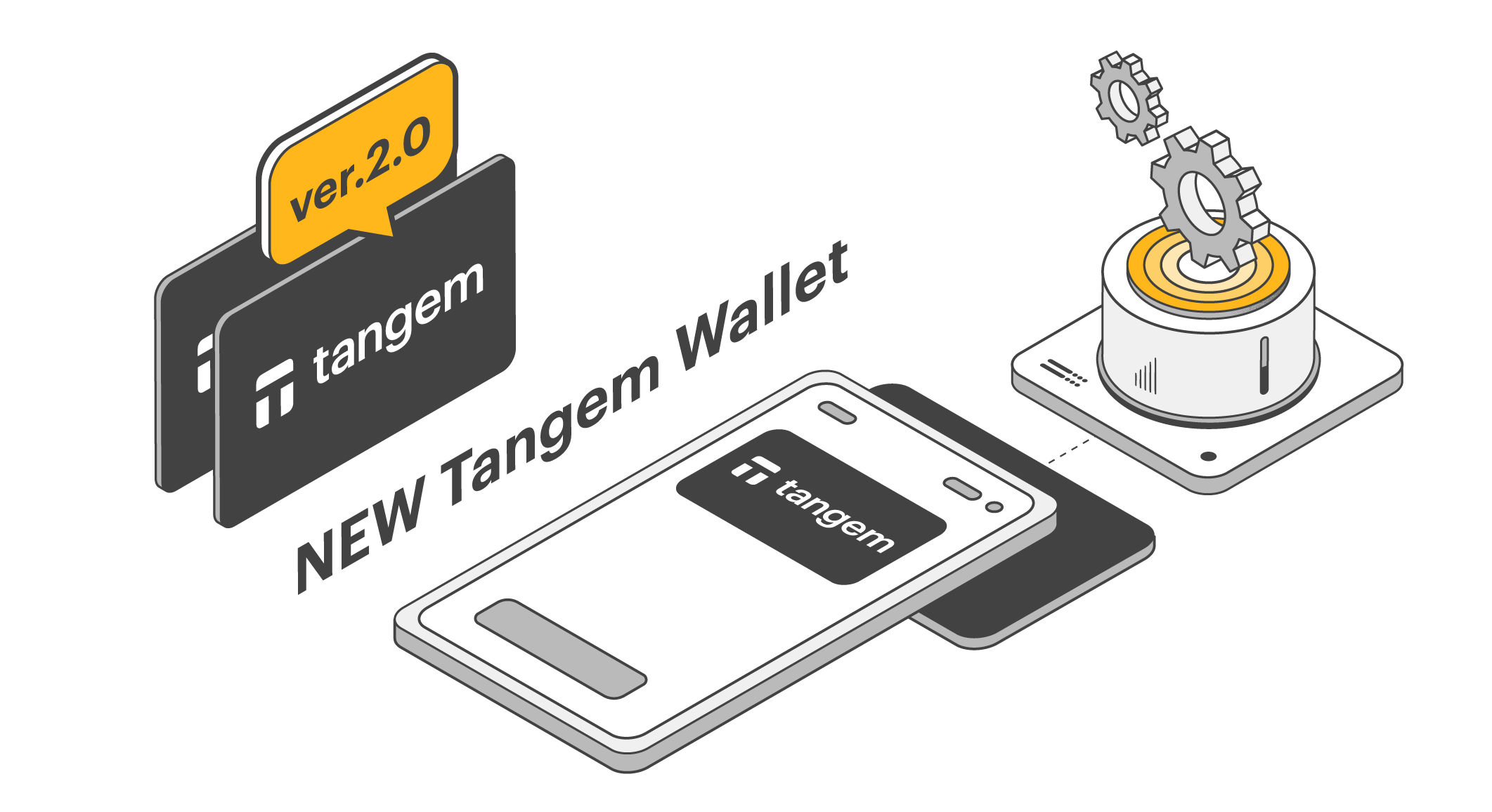
How the tangem wallet experience actually plays out in daily use
I used the tangem wallet app with the card and it felt cohesive and minimal. Transactions prompt on the phone, you confirm with a tap, and the signing happens inside the card’s secure element so the private key never touches your phone memory. On the surface that’s elegant; under the hood it’s about secure elements, firmware, and careful key provisioning processes that matter a lot for trust. If you’re the kind of person who hates reading seed phrases, this workflow is liberating, though you’ll trade some advanced capabilities and sometimes less flexibility.
My gut said this would be fragile, but the card has surprising durability. I dropped it, I shoved it in a wallet pocket, and I even soaked it for a minute (don’t make a habit of that — just testing). Actually, wait—let me rephrase that: the card survived moderate abuse in my casual tests, but don’t assume it’s indestructible. On the security side, sourcing matters: buy from trusted distribution to avoid tampered devices, and verify any device provenance where possible. Somethin’ about supply-chain attacks sticks in my head, and that caution is very very important.
On backup and recovery I had mixed feelings. The Tangem model often pairs a single-card experience with optional backup cards or backup mechanisms, and that simplicity is great until you lose everything. Initially I thought “one card equals one key” and that scared me, but then I learned about multi-card schemes and social recovery patterns that mitigate single-point loss. On the other hand, if you prefer a mnemonic you can still combine approaches — though that defeats some of the simplicity.
Here’s a practical tip I picked up. Keep the card and a written PIN separate, just like you would with a bank card and its PIN — physically separate. Also, check firmware versions and provenance, because a card’s security guarantees depend on trusted manufacturing and secure provisioning. I’m not 100% sure of every supply chain nuance here, but my working assumption is: trust but verify where possible. That phrase sounds stodgy, but it’s the right attitude for hardware you rely on.
Hmm… one more thing that bugs me. The ecosystem around NFC cards is still maturing, so wallet integrations and support for exotic blockchains can be spotty. For mainstream coins it’s excellent, though. On the positive side, NFC cards slot neatly into normal lifestyle habits, so people actually use them instead of shoving backup phrases into a drawer and forgetting about them. That behavior change alone reduces a lot of human error — which is where most losses happen.
Thinking like a security engineer for a minute, the trade-offs are clear: you gain usability and physical simplicity, while accepting narrower feature sets and some supply-chain and loss risks that require different mitigations. Initially I thought the card would replace full hardware devices, but now I see them as complementary tools in a user’s toolbox. On one hand, enterprise-grade multisig setups will still prefer dedicated devices; though for retail users or small traders the card is often “good enough” and far friendlier.
I’ll be honest — the experience made me re-evaluate who hardware wallets are for. I used to picture a person with a drawer full of devices and encrypted backups. Now I can imagine a friend who just wants a frictionless, reasonably secure way to hold crypto without becoming a key nerd. That mental shift matters because adoption barriers aren’t always technical. They are social and behavioral. Also, a small tangent: if you keep your card in a wallet, it might accidentally be left at a coffee shop, so yeah — physical habits still matter.
FAQ
Is an NFC card as secure as a traditional hardware wallet?
Short answer: it depends. NFC cards with secure elements provide strong protection because private keys never leave the chip, but security depends on sourcing, firmware integrity, PIN policies, and your personal backup strategy. For most consumers the protection is robust and easier to use; for some high-value use cases, multi-device or multisig setups may be preferable.
What happens if I lose my Tangem card?
It varies based on how you’ve set things up. If you used a single-card setup without backups, losing the card can mean losing access unless you had an external recovery plan. Many people mitigate this with a backup card, social recovery, or offline backups depending on the wallet’s supported features.
Who should consider a card-based NFC wallet?
People who dislike seed phrases, value simplicity, or want a wallet that feels like a physical object (credit-card form factor) should consider it. It’s great for everyday holders, gift-givers, and non-technical family members — though power users and custodians may prefer more feature-rich devices.
Leave a Reply
You must be logged in to post a comment.