
Whoa!
I still remember the exact second I first tapped a Tangem-style card to my phone and felt strangely reassured.
It was simple, tactile, and somehow grown-up in a way my phone app never felt.
At first glance it seems like a gadget — but then you realize it’s a different mental model for custody, one where physical possession matters as much as cryptography.
My instinct said: somethin’ about this could actually scale for everyday users, though it’s not without trade-offs.
Okay, so check this out—card wallets are cold storage reimagined as something you can carry in your wallet.
Short sentence.
They use NFC to keep keys off internet-connected devices, and that matters because most theft today targets hot wallets and exchanges.
Initially I thought hardware wallets had to be bulky and awkward; then I tried a card and thought differently.
Actually, wait—let me rephrase that: the hardware wallet paradigm didn’t change; it just became more convenient than I expected.
Seriously? yes.
A small, tamper-evident card reduces friction for people who shutter at tech complexity.
But here’s the thing. While the convenience is huge, you still need to think like someone storing a physical object — which introduces new failure modes.
On one hand you reduce remote attack surface dramatically; on the other hand you now have to manage loss, damage, and social engineering tied to a physical token.
So the risk profile shifts, it doesn’t disappear.
My first tangential thought was about wallets as jewelry.
No, really — your cold storage can be fashionable, and that matters socially because people will actually carry somethin’ they like.
This is not a joke; product adoption often follows aesthetics, which is why the design of a Tangem-style card matters more than most engineers admit.
A well-designed card invites the user to tuck it safely in a wallet or card sleeve, encouraging proper custody practices without a lot of nagging or password management gymnastics.
That said, the design shouldn’t lull you into complacency.
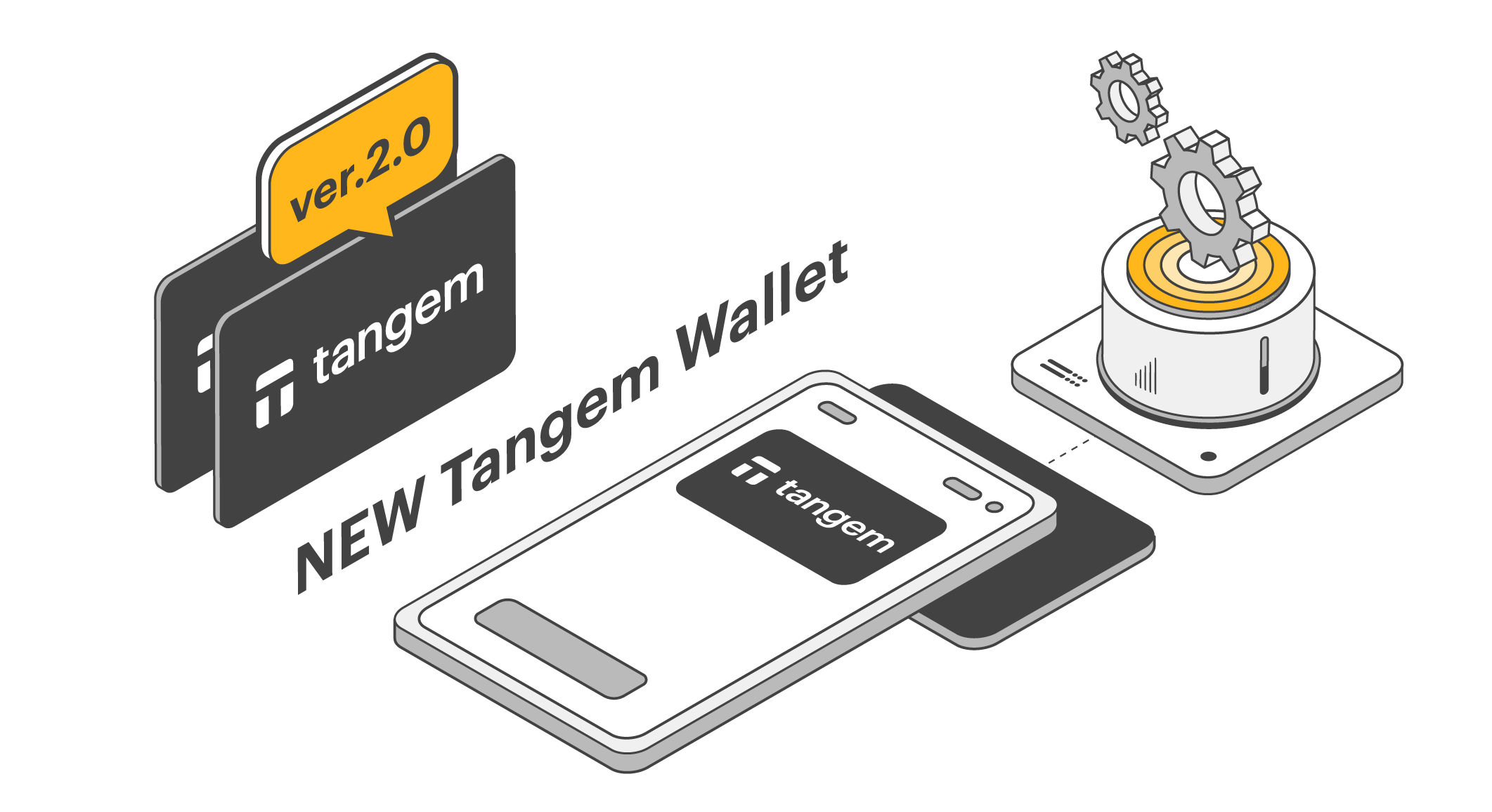
How the Tangem Card Model Actually Works
Hmm… the core idea is easy to explain.
A secure element inside the card generates and stores your private keys, and NFC acts as the bridge to your phone when you need to sign a transaction.
You never expose the private key to your phone or cloud services; the card signs transactions internally and sends the signed payload back over NFC.
That means an attacker who compromises your phone still needs the physical card to spend funds, which is a massive practical barrier.
On the flip side, it’s not a magic wand; if someone snatches your card and you don’t have backup, you’re in trouble.
Here’s what bugs me about some of the marketing: it sometimes implies ‘set it and forget it’ security.
Nope.
You must plan for backups, loss, and contingencies.
A good workflow is to treat the card like a safe deposit key — keep one in a secure place, maybe another with a trusted person, and document recovery steps somewhere encrypted or physically secure.
That sounds old-school, but crypto custody benefits from old-school redundancy.
I’m biased, but I prefer solutions that balance security with usability.
My experience as a hardware-wallet user taught me that overly complex setups get ignored.
When people are faced with 12-word seed phrases printed on paper, many will take a photo or leave an unencrypted copy, which defeats the purpose.
Tangem-style cards, when paired with a well-designed app, reduce those stupid human mistakes by removing the seed phrase from the user’s burden — but you still need a plan for the physical card itself.
So it’s safer for many users, not universally safer for everyone.
On one hand, card wallets like this lower the entry barrier to true cold storage.
On the other hand, they introduce concentrated physical risk.
Before you dismiss physical risks as trivial, consider common human behavior: losing wallets, spilling drinks, lending items to friends, or being targeted in a mugging.
I once nearly left my card in a cafe; heart attack, but harmless — it taught me to change my routine and use a discreet sleeve.
Small habits matter more than perfect tech.
Working through contradictions, I realized something important.
You gain security from separation: keys are off the internet, but you lose the convenience of remote access unless you plan for multi-device flows or custodial methods.
If you need immediate access from a laptop miles away, a card alone won’t suffice unless you carry it with you — which defeats the “safely stored” idea.
So match the tool to how you actually use your crypto: trading daily, long-term HODLing, or hybrid strategies all require different approaches.
Decide that up front.
Practical tips from real use: label the card in a way that doesn’t scream ‘crypto’ (keep it discreet), use a small protective sleeve, and test recovery procedures before moving large funds.
Also, update firmware via official channels only; and verify any app you use against official vendor resources.
I’m not 100% sure about every vendor’s roadmap, so keep updated — firmware and security models evolve.
If you want a simple intro, try the Tangem app workflow to see how signing and backup feels in practice; for me that was the moment things clicked, and the app interface matters.
The app can be the bridge between human behavior and cryptographic security, so choose one you trust.
When a Card-First Cold Storage Makes Sense
Short answer: for most retail users who want low-maintenance security without DIY paranoia.
For a crypto-native power user who needs multiparty setups or multisig across geographically separated devices, you’re looking at more complex solutions.
But for someone with savings in crypto who wants to sleep better, a card wallet is a sensible middle ground.
It’s not a universal fix — it’s a practical trade-off that tilts towards human-friendly security without compromising the cryptographic core.
And that, to me, is the sweet spot of design.
Common Questions
Do I still need a seed phrase with a card wallet?
Usually the card handles keys internally and removes the need for a visible seed, but vendors differ.
Some provide backup cards or recovery flows; others let you export a seed at setup (avoid this unless you know why).
Always read the specific product’s recovery options and test them before transferring large sums.
What happens if I break my card?
If your vendor offers physical backups or a recovery mechanism, follow that process immediately.
If not, and you have no backup, the funds may be irretrievable — that part stings.
So treat the card like any important physical key: redundancy and documented recovery plans are your friends.
Is NFC secure for signing transactions?
NFC is a communication channel; the security depends on the card’s secure element and signing logic.
When properly implemented, NFC is fine because private keys never leave the secure element.
But always verify vendor security claims and community audits where available.
So yeah — this is my take, messy and human.
I like cards because they make cold storage feel reachable for more people, and that matters a lot.
If you want to see what I mean, try the tangem workflow and note how your mental model shifts; it did for me.
I’m not saying it’s perfect.
But for many Americans who want to own their crypto without becoming full-time security engineers, card-based cold wallets are a pragmatic, elegant option.
Leave a Reply
You must be logged in to post a comment.