
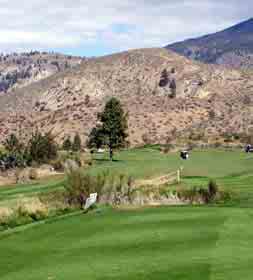
ANgela Conway* discusses the negative effects of developments like golf courses on people’s social and economic life and the environment.
In many parts of South Africa, in particular along the ecologically sensitive Gardens Route, there has been an explosion of elite developments like golfs estates. These estate are often located on prime agricultural land, well positioned for food production. In the Southern Cape between Stilbay and Plettenberg Bay, there are 34 planned or developed golf estate includes multiple golf courses, hotels, spas, swimming pools, jacuzzi and luxury lodges. The impact of golf estate developments is both environmental and social.
Environmental effects
Golf estates use up large quantities of water. While the estate remain green and lush with irrigation sprinklers constantly running, ordinary residents are subjects to water restrictions. Vast quantities of water are used for the benefit of a few. Some developers argue that they will not be using council water but their ‘own’ water is from a borehole source and will deplete the water table, aggravating water shortages.
The effluent from golf course irrigation causes irreparable damage to the environment. Fro instance, the effluent from Pinnacle point Golf Estate in Mossel Bay has leaked into historical caves where remains of the earliest inhabitants of the area are being destroyed by seepage.
Social effects
The sense of environmental space is destroyed by large developments like golf estates. The local environment and natural resources are removed from public access, destroying local traditions, culture and sources of food. This has a negative effect on poverty levels, cultural ties and heritage. Developments along the Southern Cape coastline have cut- off fisherman who rely on fishing for a living. Foot-paths used for generations are now dissected by tall fences, razor wire and impenetrable gates. The Southern Cape coastline have cut-off fisherman who rely on fishing for a living. Foot- paths used for generations are now dissected by tall fences, razor wire and impenetrable gates. The southern Cape culture of annual camping holidays has been affected. Traditionally there are a number of beaches where the local community move into tents over the December holidays. The ongoing development of the coastline has drastically restricted access to camping sites; and some have been completely closed off for campers.
Farm dwellers are displaced by the ongoing conversion of agricultural land. The ongoing displacement of farm dwellers land into urban areas has major social impacts for impoverishing people and destroying rural cultures. There is also the environmental impact of forced urbanisation and sprawling townships.
Council responses of elite developments
Local municipal councils turn a blind eye to the environmental and social destruction caused by elite developments. They justify decisions in support of development with promises of environment and job provision. These promises are not realised as golf estates generally prefer the use of labour brokers.
Action against developments
In the Southern Cape there has been a successful campaign bringing together environmentalists and rural landless people, called the Guardians of the Garden Route. The campaign was at its height from 20014-2008. It successfully stopped some huge planned developments and resulted in guidelines developed for any future developments. There is currently yet another estate in planning, Lagoon Bay Lifestyle Estate, planned on agricultural land of high potential.
The question remains; at what cost will the conversion of agricultural land the creation of elite enclaves of luxury be done?
Leave a Reply
You must be logged in to post a comment.