
Review by Bongani Bunyonyo
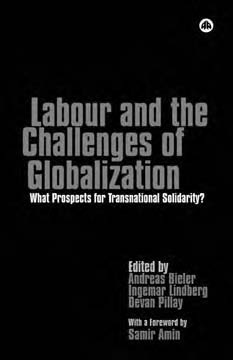
he book deals with global restructuring of the world capitalist system and the impact of neo-liberal policies in restructuring the composition of the working class. In doing so, the book makes comparative studies of thirteen different situations and how traditional working class organizations, trade unions in particular, have responded to the changes. It also assesses the state of working class organizations internationally and the possibilities for the revival of working class internationalism.
The authors take stock of new working class organizations that have emerged in different countries in response to neo-liberal policies and the different forms of organizing they have adopted and are experimenting with. The concrete different situations studied are the following: South Korea, South Africa, India, China, Argentina, Brazil, Japan, Canada, Germany, Sweden, Africa, Europe and the North and South regional divide. Authors who have an understanding of labour history in their respective countries did the studies. The main theme of the book is an assessment of the impact of neo-liberal policies in these countries, how they have restructured the labour market and the response of labour organizations to the changes.
The book urges that neo-liberal policies have led to the fragmentation of working class organizations and created deep divisions amongst workers. These policies have created a large pool of informal labour and the decline of traditional formal sectors of the economy where the base of working class organizations were previously concentrated. The increase in the informal sector employment is a result of the shrinkage in formal sector. The rise in unemployment has pushed large sections of workers to traditional informal sectors of the economy for survival. The authors of the book conclude that this is a general trend in all the situations examined, although of course, not with the some variations.
The authors regard the changes as a generalized and systematic attack on worker rights and working class organizations. The high rate of unemployment, as a result of these policies, have driven many workers to seek their means of subsistence in the informal sector. The divisions and competition between formal and informal sector workers have widened and competition intensified. This is a general trend in all the situations that are examined and this acts as a barrier in forging working class solidarity. But there are situations where working class organizations are experimenting with new forms of organization building by linking up demands of both formal and informal workers.
This generalized and systematic attack on worker rights and working class organizations has been worsened by the failure of worker organizations to respond effectively to these new challenges. The negative effects of neo-liberal policies are similar and global in character and need an international response from working class organizations. The traditional international labour organizations have either failed to grasp the changes brought about by these policies or have accepted these policies and are seeking ways of accommodation.
The authors also address the question of transnational solidarity and challenge labour organizations to revisit their traditional definition of a worker. The definition of a worker can no longer be restricted to the sphere of production but must also include other spheres of society.
The publication urges that the dominance of Transnational Corporations provide a basis for revival of international working class solidarity. Forging unity and solidarity with workers of the same corporation across national boundaries is critical in building working class unity and the struggle against neo-liberalism.
Working class organizations must be informed by concrete conditions that exist and draw necessary conclusions in order to respond appropriately to the challenges of globalization. New forms of organizing must be explored and experimented by working class organizations. The divisions within the working class brought about by globalization have resulted in increased tension between permanent and non-permanent workers. This is worsened by the failure of traditional working class organizations, trade unions in particular to grasp the meaning of the changes and appreciate the need to adopt new forms of organizing. Even though traditional unions can identify the changes in the labour market they fall short of responding in a manner that builds unity and solidarity amongst workers and instead resort to the old ways of doing things. This publication is a very useful for trade union and social movement activists in understanding the impact of globalization and the need to bridge the divide between the formal and informal workers. The period also provides opportunities to build working class unity across national boundaries in order to present a serious challenge to globalization.
The similarities in our experiences provide a basis to formulate common demands in challenging these neo-liberal policies. This book is a must read for trade union and social movement activists who are seriously grappling and exploring new forms of organizing under conditions of globalization.
Leave a Reply
You must be logged in to post a comment.